Gum Health Check: Early Signs of Periodontal Disease
What are the early signs of gum disease?
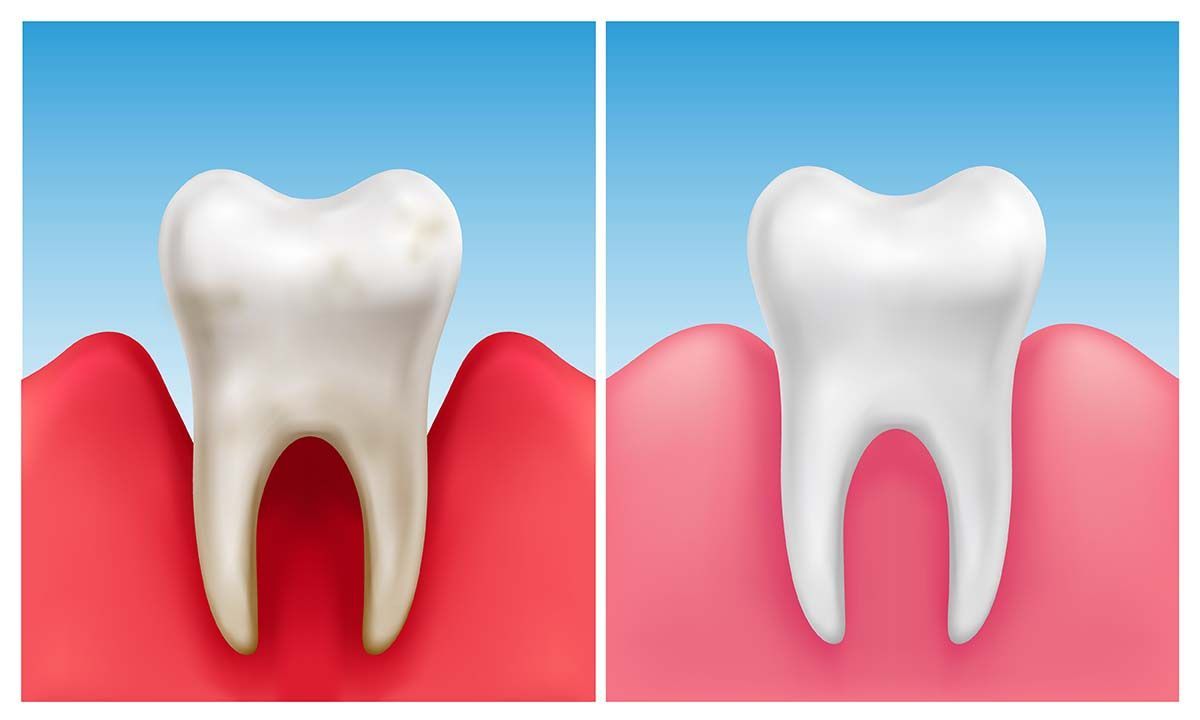
According to the American Dental Association, early signs include bleeding gums, red or swollen gums, persistent bad breath, receding gums, and tenderness around the gumline.
Healthy gums are the foundation of a strong, confident smile. But periodontal disease often starts quietly — and many patients don’t recognize the symptoms until the condition has progressed.
At Dr. Colleen L. Catera’s Babylon dental office, we love educating our patients and helping them recognize the ADA-recognized early warning signs before they lead to more advanced gum problems.
If you’ve noticed changes in your gums, this guide explains what to look for and when it’s time to schedule a gum health check.

Bleeding Gums
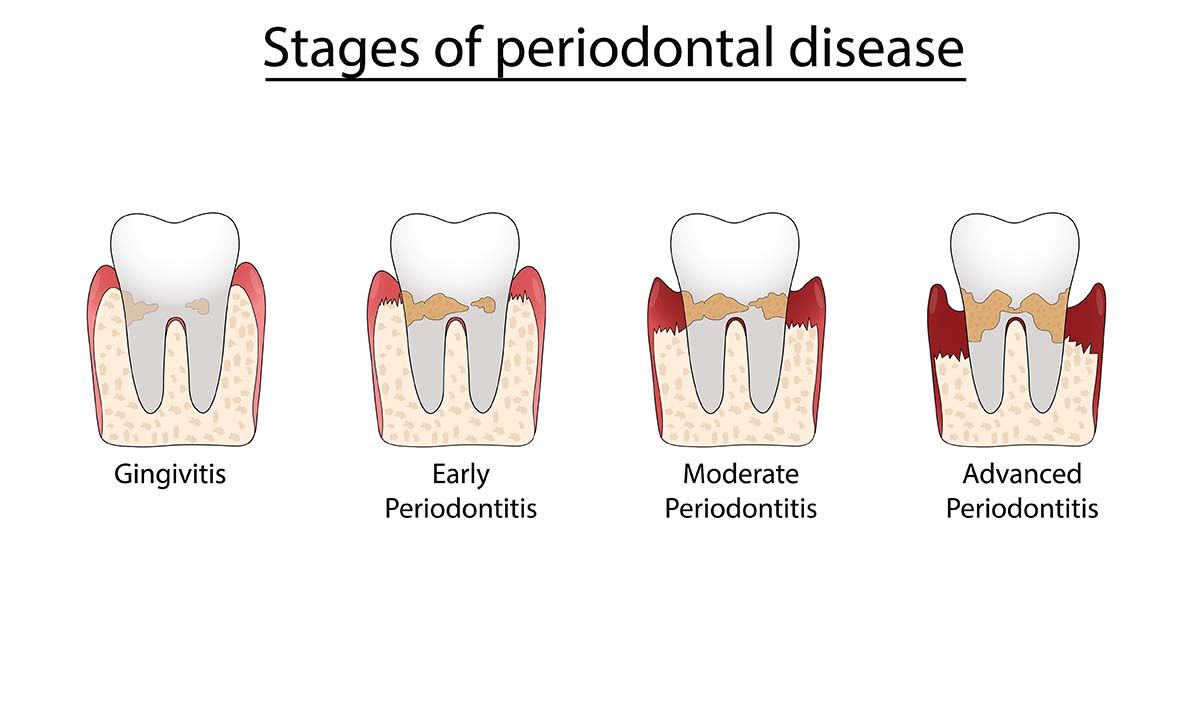
The American Dental Association (ADA) lists bleeding gums during brushing or flossing as one of the first indicators of gingivitis, the earliest stage of gum disease.
Bleeding happens when plaque buildup irritates the gumline, causing inflammation. While patients often think “it’s normal,” it’s actually the body’s warning sign.
Why it matters:
If addressed early with professional cleanings and improved home care, gingivitis is reversible.
Red, Swollen, or Tender Gums
According to the ADA and CDC, gums that appear red, puffy, or tender are a clear sign of inflammation. Healthy gums should be firm and pale pink.
These changes may indicate:
- plaque accumulation
- hormonal response
- early gum infection
- irritation from improper brushing
When to act:
If sensitivity or swelling lasts more than a few days, schedule a gum evaluation.
Persistent Bad Breath (Halitosis)
The ADA notes that bad breath that doesn’t improve with brushing, flossing, or mouthwash can be caused by bacteria beneath the gumline.
As bacteria multiply, they produce sulfur compounds that cause odor — often signaling gum infection.
Important:
Persistent bad breath is not normal; it’s a sign your gums need attention.
Gum Recession (Pulling Away From Teeth)
One of the most overlooked early signs is gum recession, where the gums slowly pull away from the teeth.
The ADA identifies this as a symptom of both early and moderate
periodontal disease.
You may notice:
- teeth looking “longer”
- sensitivity near the gumline
- visible dark triangles between teeth
Why it’s important:
Recession exposes the tooth root, increasing sensitivity and risk for decay.
Tenderness or Discomfort When Chewing
While discomfort can indicate several dental issues, the ADA includes pain when chewing as a potential sign of progressing gum disease.
If the gums are infected or pockets have formed, chewing can apply pressure to inflamed tissues.
Act quickly:
Professional care can stop the infection from spreading.

Why Early Detection Matters
When gum disease is caught early, treatment is simple and effective. If ignored, it can advance into periodontitis, which may cause:
- bone loss
- loose teeth
- tooth loss
- chronic inflammation
- systemic health risks (according to CDC research)
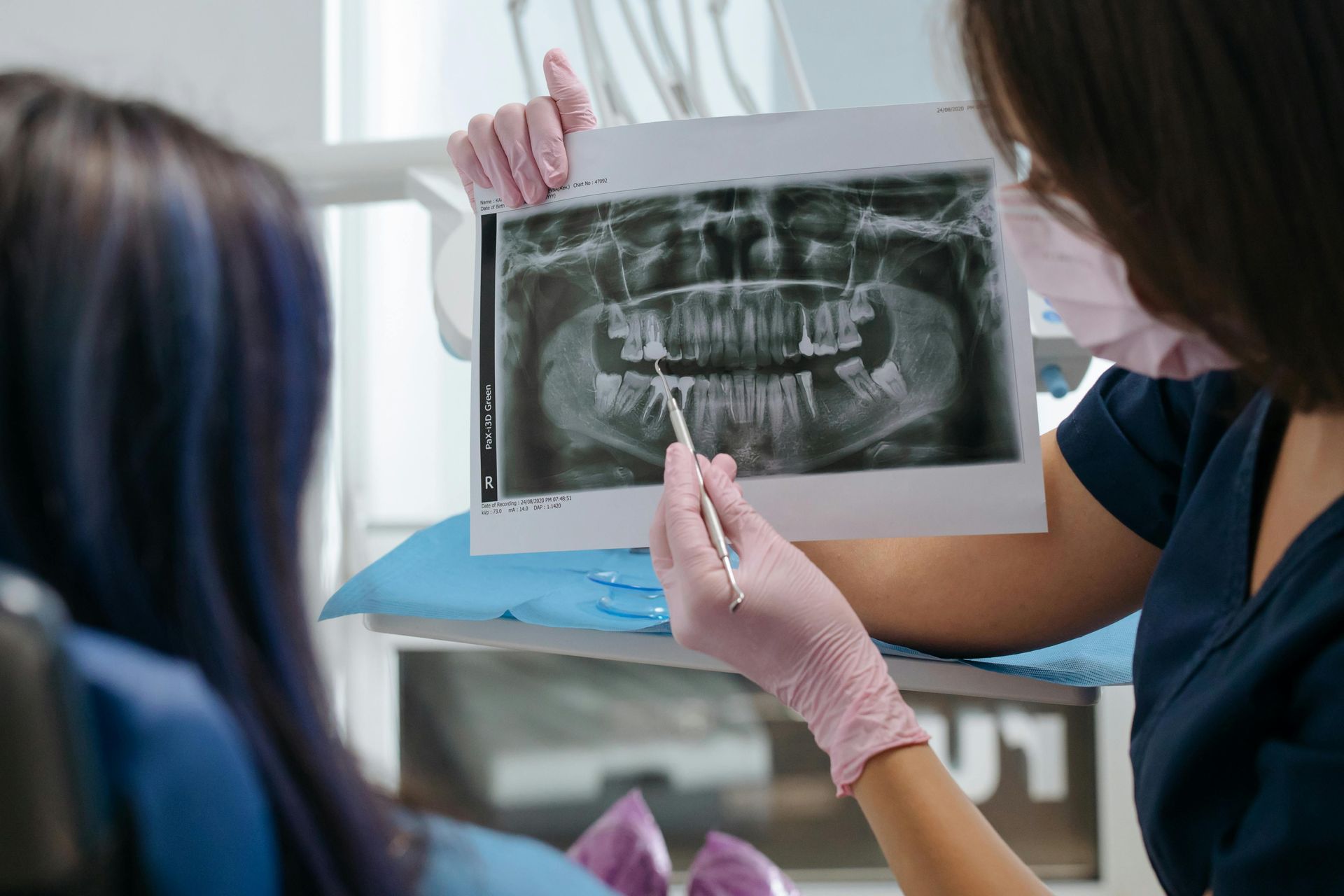
Regular gum health checks allow Dr. Catera to monitor pocket depths, identify inflammation, and prevent the condition from progressing.
What to Expect During a Gum Health Check
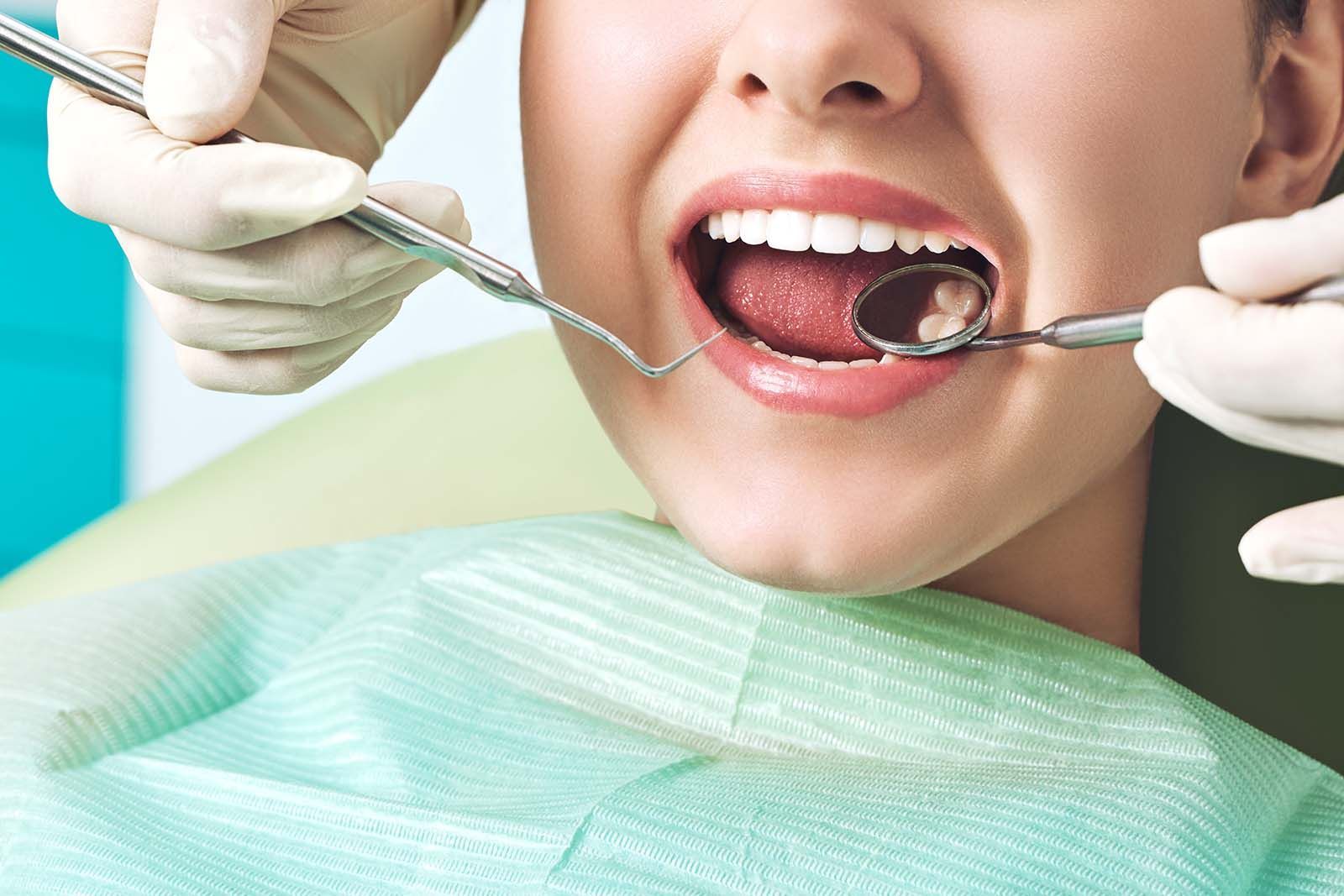
During your visit, Dr. Catera will:
- examine gum color, firmness, and overall health
- measure periodontal pocket depth
- evaluate plaque and tartar buildup
- identify early inflammation
- recommend personalized care
The process is gentle, quick, and essential for long-term oral health.
Prevention Starts at Home — and With Regular Visits
To keep your gums healthy, the ADA recommends:
- brushing twice daily with fluoride toothpaste
- daily flossing
- regular dental cleanings
- avoiding tobacco
- maintaining a balanced diet
At our Babylon office, we love educating patients on these habits and providing preventive care rooted in compassion and expertise.
When to Schedule an Appointment
If you’ve noticed bleeding gums, swelling, bad breath, or gum recession, it’s time to schedule a professional gum health check.
Early action protects your smile and prevents future issues.
📍 Dr. Colleen L. Catera, DMD
1 John St, Suite 206, Babylon, NY 11702
☎️
(631) 422-6901
🌐
Request Your Visit
We’re here to answer your questions and help you maintain a healthy smile for life.
Can gum disease be reversed?
Gingivitis, the earliest stage, can be reversed with professional dental cleanings and good home care. Advanced periodontitis can be managed but not reversed.
What causes gum disease?
According to the ADA, gum disease is primarily caused by plaque — a sticky film of bacteria that builds up along the gumline.
How often should I get a gum health check?
Most adults should receive a periodontal evaluation twice a year, or more often if they have a history of gum disease.