
Is That Tooth Sensitivity a Cavity or Something Else?
Dr Coleen L Catera DMD
Tooth sensitivity doesn’t always mean you have a cavity. Sensitivity can be caused by worn enamel, gum recession, exposed roots, or old dental work. However, sensitivity that persists, worsens, or occurs in one specific tooth may indicate decay or another issue that should be evaluated by a dentist.
You take a sip of something cold and feel it, a quick, sharp jolt in one tooth.
It fades fast, but it keeps happening. Most people immediately wonder the same thing:
Is this just sensitivity… or is it a cavity?
Tooth sensitivity is one of the most common dental concerns, and also one of the easiest to misjudge. Sometimes it’s minor. Other times, it’s an early warning sign of a problem that’s much easier to treat if caught early.
This guide breaks down what tooth sensitivity usually means, when it’s harmless, and when it’s worth getting checked.

Why Teeth Become Sensitive in the First Place
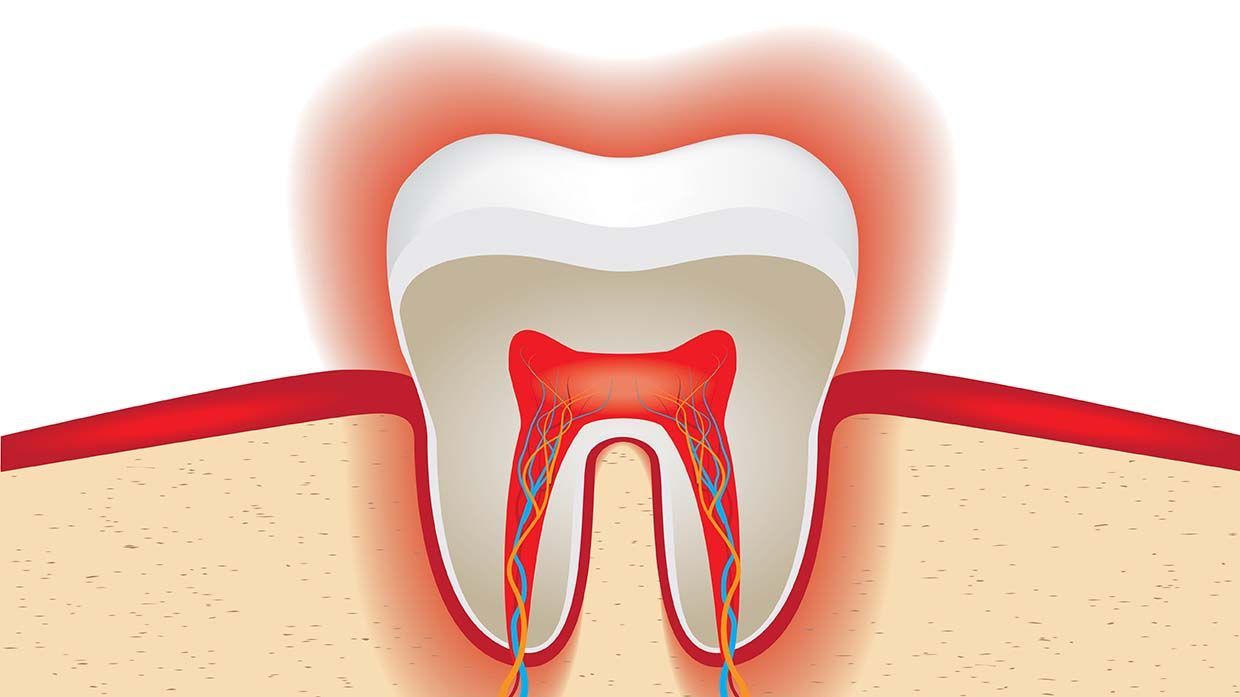
Healthy teeth are protected by enamel. When that protection wears down or the tooth structure is exposed, nerves can react to temperature, pressure, or sweets.
Common causes include:
- Enamel wear from grinding or brushing too hard
- Gum recession exposing tooth roots
- Old or cracked fillings
- Tooth whitening products
- Cavities beginning beneath the surface
Sensitivity is your tooth’s way of saying something has changed.
When Tooth Sensitivity Is Usually Normal
Not all sensitivity is cause for concern. Sensitivity may be considered mild or temporary if:
- It happens occasionally
- It affects multiple teeth
- It improves within a few days
- It’s linked to recent whitening or dietary changes
In these cases, monitoring symptoms is often reasonable.
Signs Sensitivity May Be More Than “Just Sensitive Teeth”
Sensitivity should not be ignored if you notice:
- Pain focused in one specific tooth
- Sensitivity that’s getting stronger over time
- Pain when chewing or biting
- Sensitivity that lingers after the trigger is gone
- Discomfort combined with swelling or gum irritation
These symptoms can indicate early decay, cracks, or problems beneath the surface that aren’t visible without an exam.

Is Tooth Sensitivity Always a Cavity?
No, but cavities are a common cause.
A cavity doesn’t always start with pain. In many cases, sensitivity is the first noticeable symptom, especially when decay is forming between teeth or beneath existing dental work.
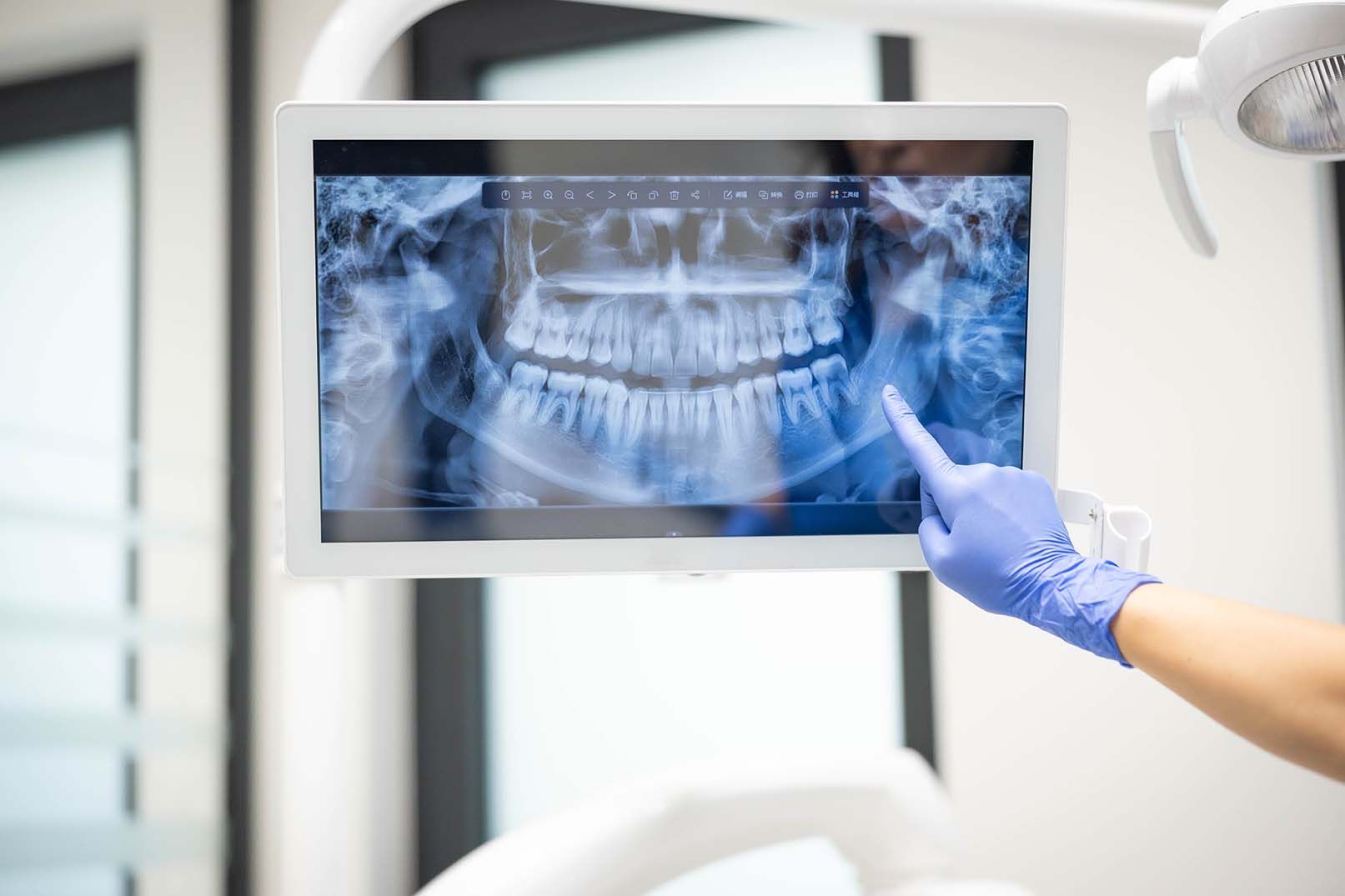
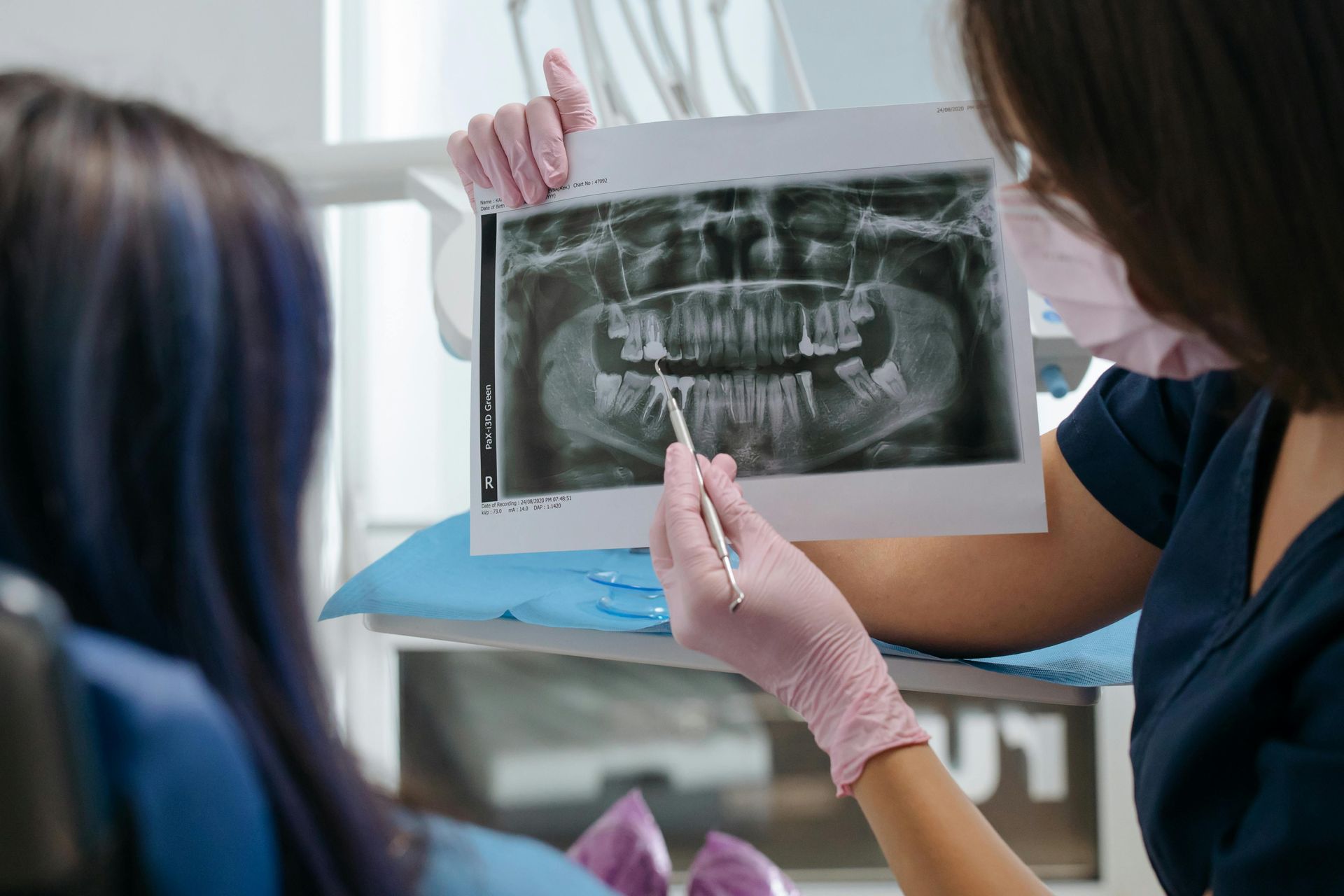
That’s why dental exams and digital X-rays are often recommended when sensitivity doesn’t resolve. They allow dentists to see what’s happening inside the tooth, not just on the surface.
Why Waiting Can Make Treatment More Involved
Early sensitivity caused by decay or enamel loss can often be managed conservatively. When problems are ignored, they tend to progress.
What starts as sensitivity can eventually lead to:
- Persistent tooth pain
- Infection
- More extensive restorative treatment
Early evaluation often means simpler, more comfortable solutions.
What a Dentist Looks for During an Exam
When you come in for sensitivity concerns, your dentist will typically:
- Identify the exact tooth or area involved
- Examine enamel, gums, and existing restorations
- Use digital X-rays when needed to check for hidden decay
- Explain what’s causing the sensitivity and what options make sense
Many patients are relieved to learn that the cause is manageable once it’s clearly identified.

When It Makes Sense to Schedule an Appointment
You don’t need to wait for severe pain to have sensitivity evaluated.
Consider scheduling an exam if:
- Sensitivity lasts more than a week
- The discomfort keeps returning
- You’re avoiding hot or cold foods because of pain
- You’re unsure what’s causing it
Clarity alone is often worth the visit.
FAQ's
Is tooth sensitivity always a cavity?
No. Sensitivity can have several causes, but persistent or localized sensitivity should be evaluated.
How long should tooth sensitivity last?
Sensitivity that lasts more than a few days or worsens over time should be checked by a dentist.
Can sensitive teeth heal on their own?
Some minor sensitivity can improve, but issues like decay or enamel loss do not resolve without care.
Should I see a dentist if the pain isn’t severe?
Yes. Many dental problems are easier to treat before pain becomes severe.
If tooth sensitivity has been lingering or keeps coming back, an exam can help identify what’s causing it and what options make sense for you.
You can schedule a consultation with Dr. Colleen Catera in Babylon to get clear answers and peace of mind.
📍 Office Location: 1 John St, Suite 206, Babylon, NY 11702
📞 Phone: (631) 422-6901