
Gum Health Check: Early Signs of Periodontal Disease
Dr Colleen L Catera DMD
What are the early signs of periodontal (gum) disease?
Bleeding when brushing, red or swollen gums, persistent bad breath, and gum tenderness are common early warning signs. Your dentist can confirm with a simple gum health check.
Healthy gums are the foundation of a beautiful smile — but gum disease often begins silently. In its earliest stage, you might not feel pain or notice major changes, which is why regular dental visits and gum health checks are so important.
At Dr. Colleen L. Catera’s Babylon dental office, we love helping patients understand how to protect their gums before small issues become bigger ones. Let’s look at a few early signs that it’s time to schedule a checkup.
1. Your Gums Bleed When You Brush or Floss
A little blood may not seem serious, but bleeding gums are often the first sign of gingivitis, the earliest stage of gum disease. It usually means plaque and bacteria are irritating your gum tissue.
➡ The good news: with professional cleaning and better at-home care, this stage is completely reversible.
2. Red, Swollen, or Tender Gums
Healthy gums should look pale pink and fit snugly around your teeth. If they appear puffy, red, or sore, inflammation has likely started.
This can develop from poor brushing habits, missed cleanings, or even stress.
Catching it early prevents it from progressing into periodontitis, which can damage bone and tissue.
3. Persistent Bad Breath or Bad Taste
When plaque and bacteria build up beneath the gumline, they can cause chronic bad breath that doesn’t go away even after brushing or mouthwash.
That odor often signals infection or trapped bacteria — something that can only be resolved with a professional cleaning.
Why Early Detection Matters
Ignoring early symptoms can allow gum disease to advance, eventually leading to gum recession, loose teeth, or even tooth loss.
Routine gum checks allow Dr. Catera to measure pocket depths around each tooth and track any changes over time — a simple, comfortable process that helps keep your smile strong.
Prevention Starts with Routine Care
You can reduce your risk of gum disease by:
- Brushing twice a day with a soft bristle brush
- Flossing daily to remove plaque between teeth
- Scheduling regular dental cleanings and exams
- Eating a balanced diet and avoiding tobacco

Bleeding Gums: When It’s Normal and When It’s Not
Bleeding gums are one of the most common early signs patients notice, and also one of the easiest symptoms to ignore.
Occasional bleeding can happen if you brush too hard or floss inconsistently. However, bleeding that happens frequently or every time you brush or floss is not considered normal. It often indicates inflammation along the gumline, which is commonly associated with the early stages of gum disease.
One reason bleeding gums are often overlooked is that they usually aren’t painful at first. Gum disease can begin quietly, progressing before discomfort or visible damage becomes obvious.
This is why bleeding gums are often treated as an early warning sign rather than something to wait out.If bleeding continues for more than a few days, worsens over time, or is accompanied by swelling, tenderness, or bad breath, it’s a good idea to have your gums evaluated.
Gingivitis vs. Periodontal Disease: What’s the Difference?
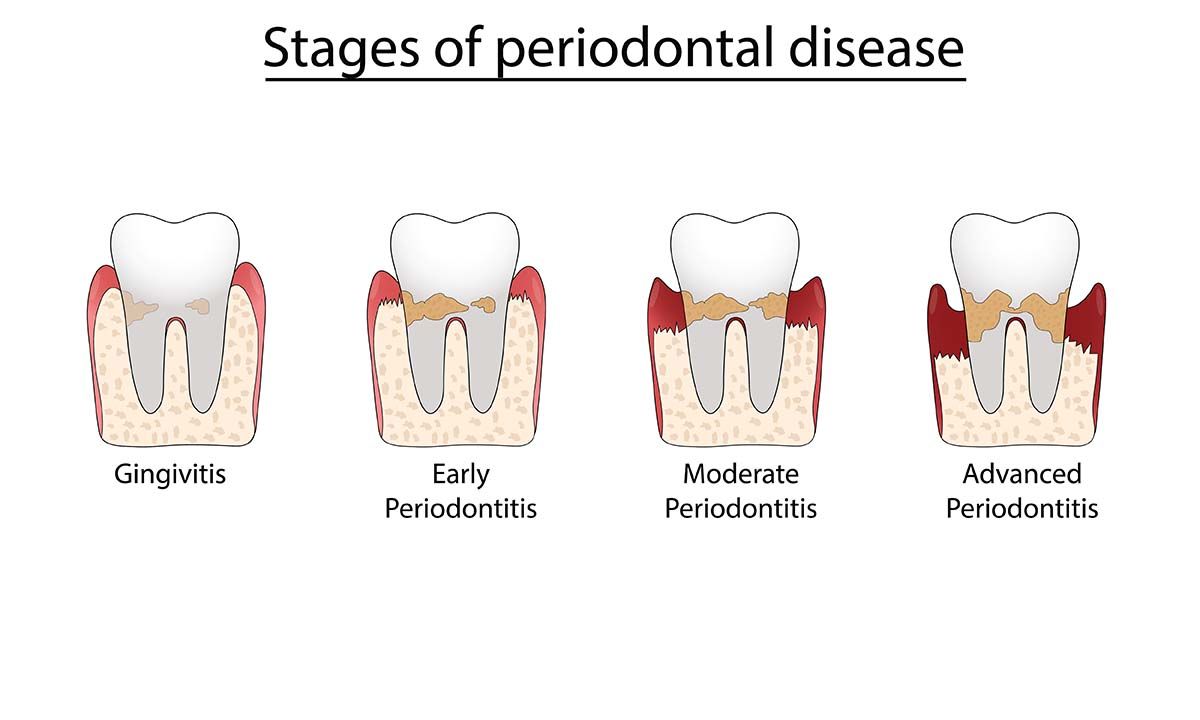
Gum disease doesn’t happen all at once. It typically develops in stages, starting with gingivitis and potentially progressing to periodontal disease if left untreated.
Gingivitis is the earliest stage of gum disease. It’s characterized by red, swollen, or bleeding gums and is often caused by plaque buildup along the gum-line. At this stage, gum disease is often manageable and, in many cases, reversible with professional care and improved oral hygiene.
Periodontal disease occurs when inflammation extends deeper below the gumline, affecting the bone and supporting structures of the teeth. At this stage, gums may begin to recede, pockets can form around the teeth, and the condition becomes more complex to manage.
The key difference is timing. Identifying and addressing gum disease early can significantly reduce the risk of progression.
Do You Need a Periodontist Right Away?
This is a common concern, and in many cases, the answer is no.
Early gum disease and mild inflammation are often evaluated and managed by a general dentist. If more advanced care is ever needed, your dentist can guide you and discuss appropriate next steps.
Starting with a dental exam allows you to understand the severity of the issue and what options make sense, without jumping to conclusions or unnecessary treatment.

Can Early Gum Disease Be Reversed?
In many cases, early gum disease can be managed effectively when caught early.
Gingivitis, the earliest form of gum disease, often responds well to professional cleanings, improved home care, and regular monitoring. The goal at this stage is to reduce inflammation, remove plaque and bacteria, and prevent further damage.
As gum disease progresses, treatment becomes more involved. This is why early evaluation is so important. The sooner changes in gum health are identified, the more options are typically available to maintain healthy gums and teeth.

When Bleeding Gums Shouldn’t Be Ignored
Bleeding gums are more likely to indicate a problem when they:
- Occur consistently, not just occasionally
- Happen every time you brush or floss
- Are accompanied by swelling or redness
- Coincide with persistent bad breath
- Seem to be getting worse over time
These patterns suggest that inflammation may be ongoing rather than temporary. Even if there is no pain, these signs are worth discussing with a dentist.
How a Dentist Evaluates Gum Health
When you come in with concerns about bleeding gums or possible gum disease, a dental exam focuses on understanding what’s happening below the surface, not just what’s visible.
An evaluation may include:
- A visual examination of the gums and gumline
- Measuring gum health around the teeth
- Checking for plaque buildup or gum recession
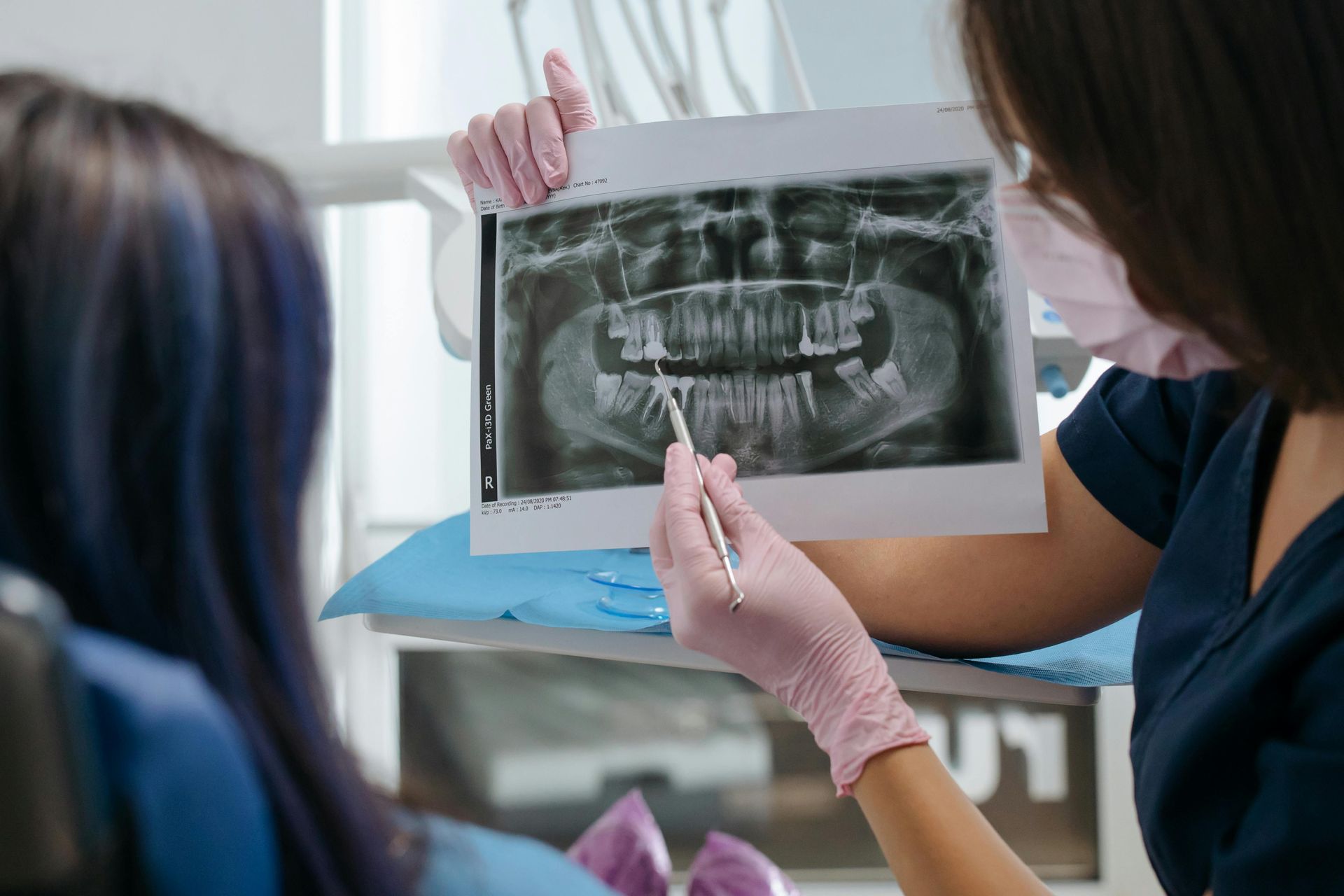
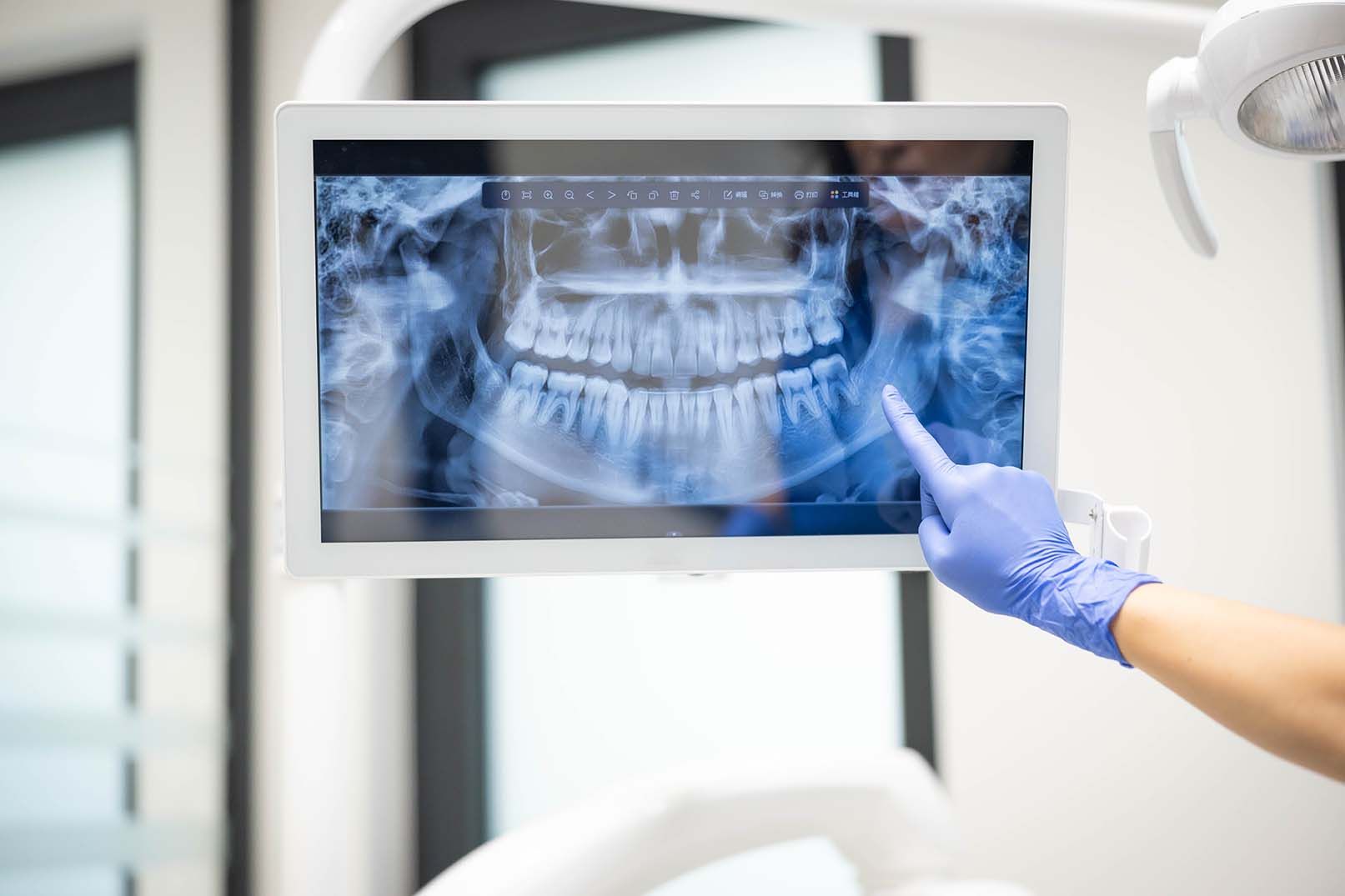
- Digital dental X-rays to assess bone support when needed
The goal is to determine whether changes are mild and localized or signs of a developing condition that should be addressed sooner rather than later.
At our Babylon office, we’re passionate about educating patients on preventive care. We’re here to answer your questions, monitor your gum health, and help you keep your smile healthy for years to come.
FAQ's
Can gum disease be reversed?
In its early stage (gingivitis), yes. Professional cleanings and good home care can restore gum health. Advanced periodontitis can be managed but not fully reversed.
Is gum disease common in adults?
Yes—nearly half of U.S. adults over 30 have some form of gum disease. Regular exams help detect and treat it early.
How often should I get a gum check?
At least twice a year during your routine cleanings—or more frequently if you’ve had gum issues in the past.
Is bleeding gums always a sign of gum disease?
Not always, but frequent or persistent bleeding is often an early indicator of gum inflammation and should be evaluated..
Can bleeding gums heal on their own?
Mild irritation may improve, but ongoing bleeding usually indicates inflammation that benefits from professional care.
How long should bleeding gums last?
Bleeding that continues beyond a few days or occurs consistently should not be ignored.
Does gum disease cause pain?
Early gum disease often does not cause pain, which is why it can progress without being noticed.
How often should gums be checked?
Gum health is typically evaluated during routine dental exams, which helps catch early changes before they progress.

If you’ve noticed bleeding gums, tenderness, or bad breath that won’t go away, it’s time for a gum health check.
📍 Dr. Colleen L. Catera, DMD
1 John St, Suite 206, Babylon, NY 11702
📞
(631) 422-6901