

Is This a Dental Problem or Something That Can Wait?
Dr Colleen L Catera DMD
Not every dental symptom is an emergency, but many common signs like bleeding gums, ongoing sensitivity, or pressure can indicate an underlying issue that won’t resolve on its own. If a symptom lasts more than a few days, gets worse, or keeps returning, it’s usually worth having it checked by a dentist.

You notice something feels off. Your gums bleed when you brush. A tooth reacts sharply to cold.
There’s pressure in your jaw that wasn’t there before. The first question most people ask isn’t “Who do I call?” It’s “Is this serious, or can I wait?”
That hesitation is normal. Most dental issues don’t start with pain, they start with small changes that are easy to brush off.
The goal of this guide is simple, help you understand what’s normal, what’s a warning sign, and when it makes sense to come in for an exam.
Common Dental Symptoms People Try to Ignore
Let’s start with the most common concerns we hear from patients.
Bleeding Gums
Occasional bleeding can happen if you brush aggressively, but consistent bleeding is not normal. It’s often an early sign of gum inflammation or periodontal disease, especially if paired with redness or swelling.
Tooth Sensitivity
Sensitivity to hot or cold can come from many causes, worn enamel, gum recession, cavities, or even old dental work. If sensitivity lingers or becomes sharper, it’s usually worth investigating.
Jaw Pressure or Discomfort
Jaw tightness, clicking, or pressure can be related to clenching, grinding, or bite alignment issues. These problems often develop slowly and worsen over time without treatment.
Bad Breath That Doesn’t Go Away
Persistent bad breath isn’t just an inconvenience. It can be linked to bacteria below the gumline or areas that are difficult to clean without professional care.
When a Dental Issue Can Usually Wait
Some situations are less urgent but still worth monitoring:
- Mild sensitivity that comes and goes
- Temporary irritation after flossing
- Brief discomfort after dental work
If symptoms improve within a few days and don’t return, waiting is usually reasonable. The key is change over time.
Signs You Shouldn’t Ignore
You should strongly consider scheduling an exam if you notice:
- Bleeding gums that persist
- Sensitivity that’s getting worse
- Pain when chewing
- Swelling in the gums or jaw
- A tooth that feels loose
- Symptoms lasting more than a week
These are often signs of issues that are easier, and less invasive, to treat when caught early.
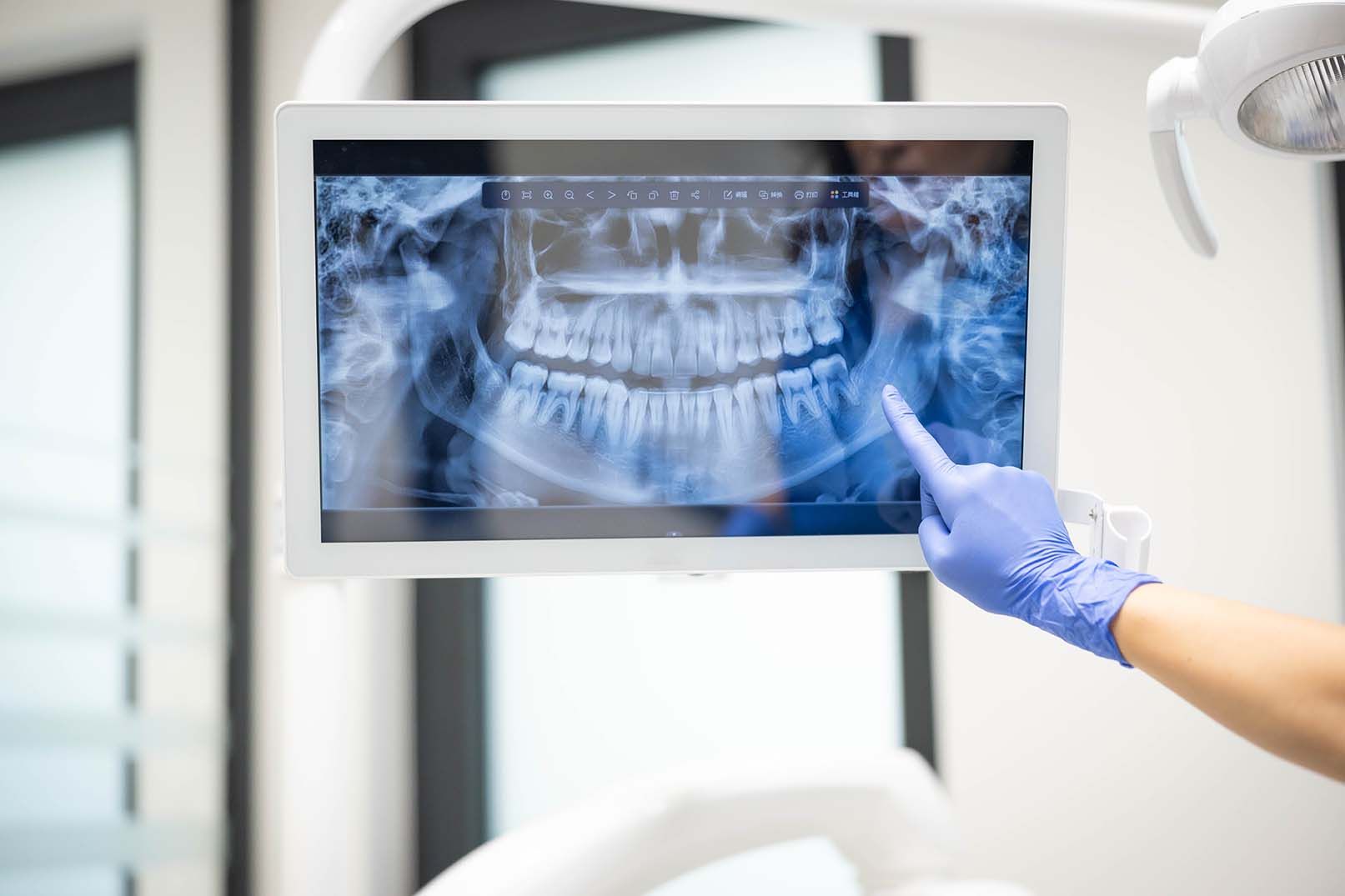
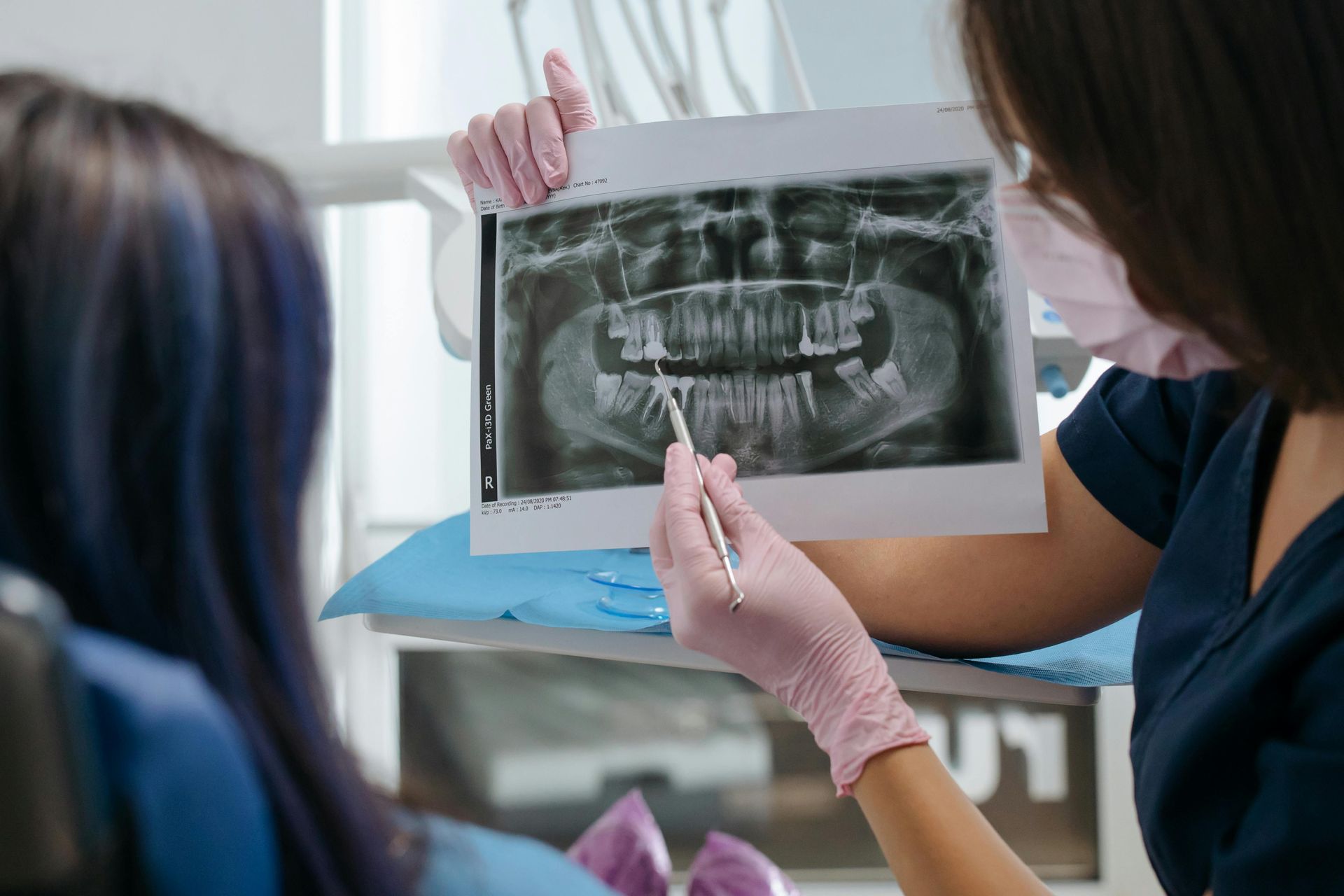
This is where a routine exam and tools like digital dental X-rays become important for identifying problems that aren’t visible on the surface.

Why Early Evaluation Matters
Many dental problems are silent in the early stages. Cavities, gum disease, and infections often don’t hurt until they’re more advanced.
An exam allows your dentist to:
- Identify early changes
- Determine whether a symptom is temporary or progressive
- Recommend preventive care instead of reactive treatment
Patients are often relieved to learn that what they’re experiencing is manageable when addressed early.
What Happens If You’re Not Sure?
If you’re unsure whether something is serious, that uncertainty alone is a good reason to ask.
A dental exam isn’t just about fixing problems, it’s about clarity and peace of mind. In many cases, patients leave knowing exactly what’s going on and what their options are, even if no immediate treatment is needed.
When to Schedule an Appointment
You don’t need to wait for severe pain to see a dentist. If something feels off, persistent, or concerning, it’s worth having it evaluated.
At Dr. Colleen Catera’s office in Babylon, exams are focused on understanding your concerns, explaining what’s happening, and helping you make informed decisions about your dental health.
FAQ'S
Is bleeding gums always a sign of gum disease?
Not always, but frequent bleeding is one of the earliest signs of gum inflammation. A dental exam can determine the cause.
How long should tooth sensitivity last?
Sensitivity that lasts more than a few days or worsens over time should be evaluated by a dentist.
Can dental problems go away on their own?
Some irritation can resolve, but many dental issues progress quietly. Early evaluation helps prevent bigger problems.
Should I see a dentist even if there’s no pain?
Yes. Many dental conditions don’t cause pain until later stages.
How often should adults have dental exams?
Most adults benefit from routine exams every six months, though frequency may vary based on individual needs.
If you’ve been wondering whether a dental concern is something to worry about, an exam can give you clarity.
You can schedule a consultation with Dr. Colleen Catera in Babylon by calling
(631) 422-6901