
What Happens If You Haven’t Seen a Dentist in Years?
Dr Colleen L Catera DMD
What to Expect, What to Watch For, and How to Get Back on Track
If you haven’t seen a dentist in years, you may have undetected issues like cavities, gum disease, or plaque buildup, even without pain. A dental visit typically starts with a gentle exam, a conversation about your concerns, and a personalized plan to help you get back on track comfortably.
You’re Not Alone, And There’s No Judgment
Many people go years without seeing a dentist.
Busy schedules, uncertainty, past experiences, or dental anxiety can all make it easy to delay routine care. In many cases, people avoid scheduling an appointment simply because they don’t know what to expect or worry about what they might hear.
The important thing to understand is this:
Dentists see this situation every day.
The focus is not on how long it’s been, but on helping you move forward.

Why People Avoid the Dentist for Years
There are several common reasons people delay dental visits:
• dental anxiety or fear of discomfort
• uncertainty about what the visit will involve
• concern about potential findings
• embarrassment about oral health
• busy schedules and life getting in the way
Understanding these concerns is an important part of making the first visit back feel manageable.
What Happens When You Skip Dental Visits
Even if your teeth feel fine, dental issues can develop gradually over time.
Plaque and Tartar Buildup
Plaque naturally forms on teeth every day. Without professional cleanings, it can harden into tartar, which cannot be removed with brushing and flossing alone.
Cavities Can Develop Without Pain
Tooth decay often starts small and may not cause discomfort right away. By the time pain appears, the issue may already be more advanced.
Gum Disease Can Progress Quietly
Gum disease often begins with mild symptoms like bleeding gums but can progress without obvious pain. Early detection is key to preventing more serious issues.
Small Problems Can Become Larger Ones
Minor concerns are typically easier to manage when caught early. Delaying care may allow these issues to develop further over time.
Guidance from organizations like the American Dental Association emphasizes the importance of routine dental visits for early detection and prevention.

What Your First Visit Back Will Look Like
The first appointment after a long gap is usually focused on understanding your current oral health.
In most cases, your visit will include:
• a conversation about your dental history and concerns
• a gentle exam of your teeth and gums
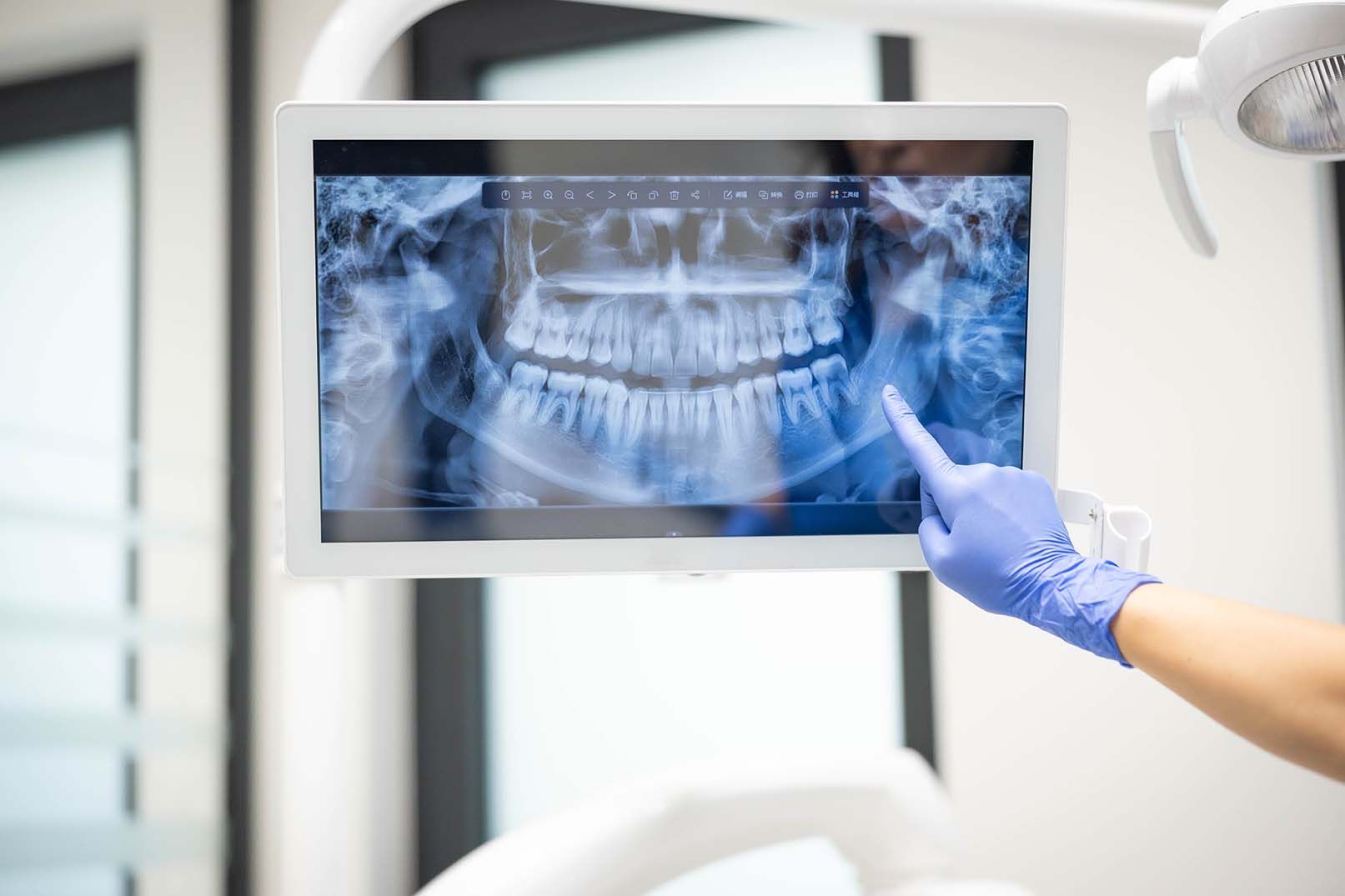
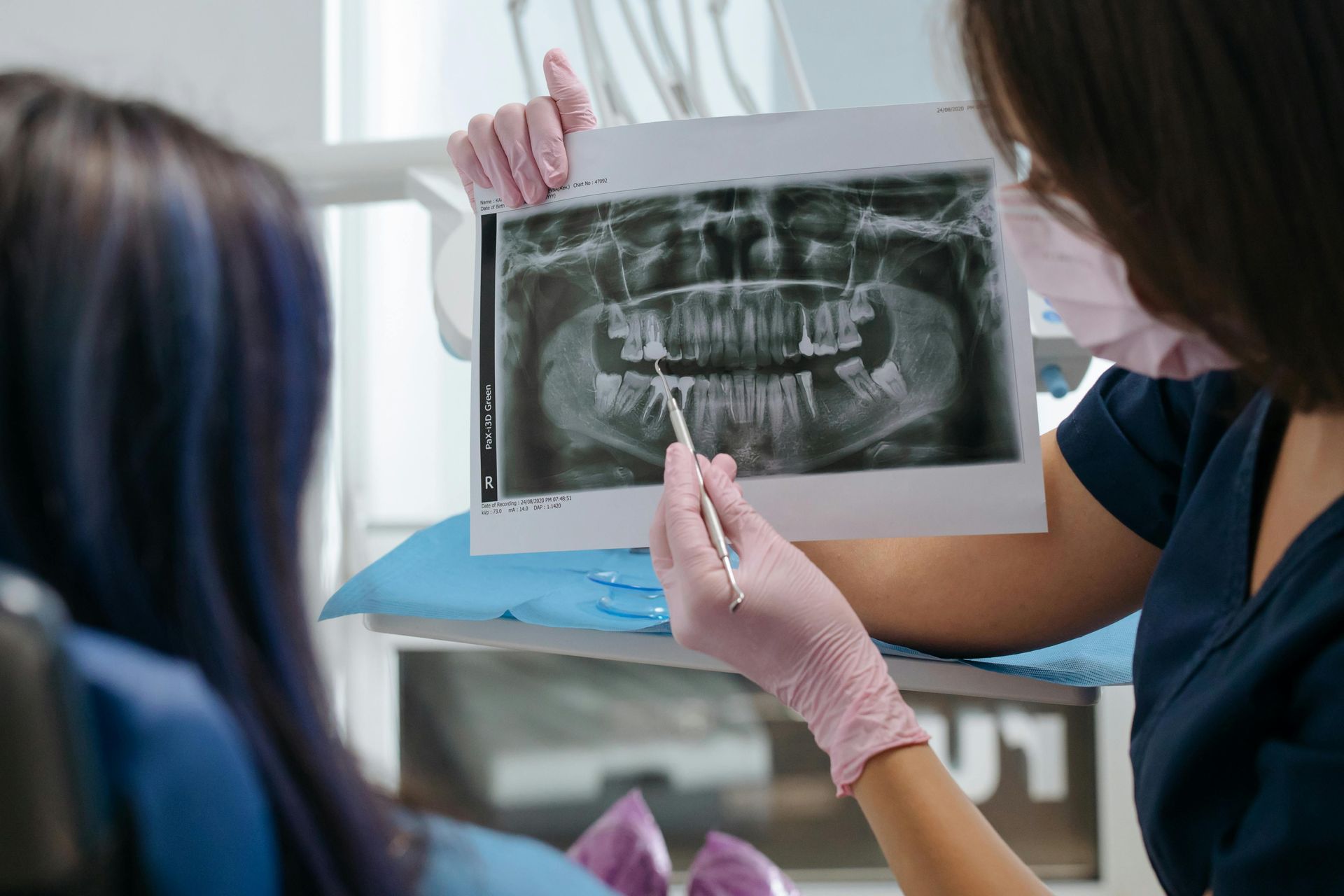
• digital dental X-rays if needed to assess areas below the surface
• a clear explanation of findings and next steps
There is typically no pressure to move forward with treatment immediately. The goal is to give you a clear picture of your oral health and help you make informed decisions.
You can learn more about this process here:
https://www.dentistbabylon.com/what-happens-at-your-first-dentist-visit
What Your First Visit Back Will Look Like
The first appointment after a long gap is usually focused on understanding your current oral health.
In most cases, your visit will include:
• a conversation about your dental history and concerns
• a gentle exam of your teeth and gums
• digital dental X-rays if needed to assess areas below the surface
• a clear explanation of findings and next steps
There is typically no pressure to move forward with treatment immediately. The goal is to give you a clear picture of your oral health and help you make informed decisions.
You can learn more about this process here:
https://www.dentistbabylon.com/what-happens-at-your-first-dentist-visit

Signs You Should Schedule a Visit Soon
If you’ve been away from the dentist for a while, certain symptoms should be evaluated sooner rather than later:
• tooth sensitivity
• bleeding gums
• persistent bad breath
• tooth pain
• swelling or irritation in the gums
Even mild symptoms can be early indicators of underlying issues.
How Dentists Help You Get Back on Track
Returning to the dentist after years away is not about catching up all at once. It’s about creating a plan that works for you.
This often includes:
• prioritizing the most important concerns first
• spacing out treatments when needed
• focusing on prevention moving forward
• making sure you feel comfortable throughout the process
A personalized approach helps make the experience more manageable and less overwhelming.
How Often Should You Go Moving Forward?
Once you return to routine care, your dentist will recommend a schedule based on your specific needs.
For many adults, visiting every six months is common, but some patients may benefit from more frequent visits depending on their oral health.
Frequently Asked Questions
Is it bad to not go to the dentist for years?
Delaying dental visits can allow issues like cavities and gum disease to develop without early detection. Regular visits help prevent problems from progressing.
Will the dentist judge me?
Dentists are focused on helping patients improve their oral health, not judging past habits or delays in care.
Can dental problems go unnoticed?
Yes. Many dental issues develop gradually and may not cause noticeable symptoms right away.
Can you fix years of dental neglect?
In many cases, yes. Treatment plans can be customized to address concerns step by step and restore oral health over time.
How long does it take to get back on track?
This varies depending on your oral health. Some patients may only need routine care, while others may require additional treatment over time.
Getting Started Is the Most Important Step
If it’s been years since your last dental visit, the hardest part is often scheduling that first appointment.
A simple exam can give you clarity, help you understand your oral health, and provide a path forward, without pressure.
If you’re in Babylon, NY or nearby areas, taking that first step can make a meaningful difference in your long-term dental health.
Request an appointment at our Babylon office today
1 John Street, Suite 206, Babylon, NY, United States, 11702
Call 631-422-6901