
Can Dental Problems Go Away on Their Own?
Dr. Colleen L. Catera, DMD
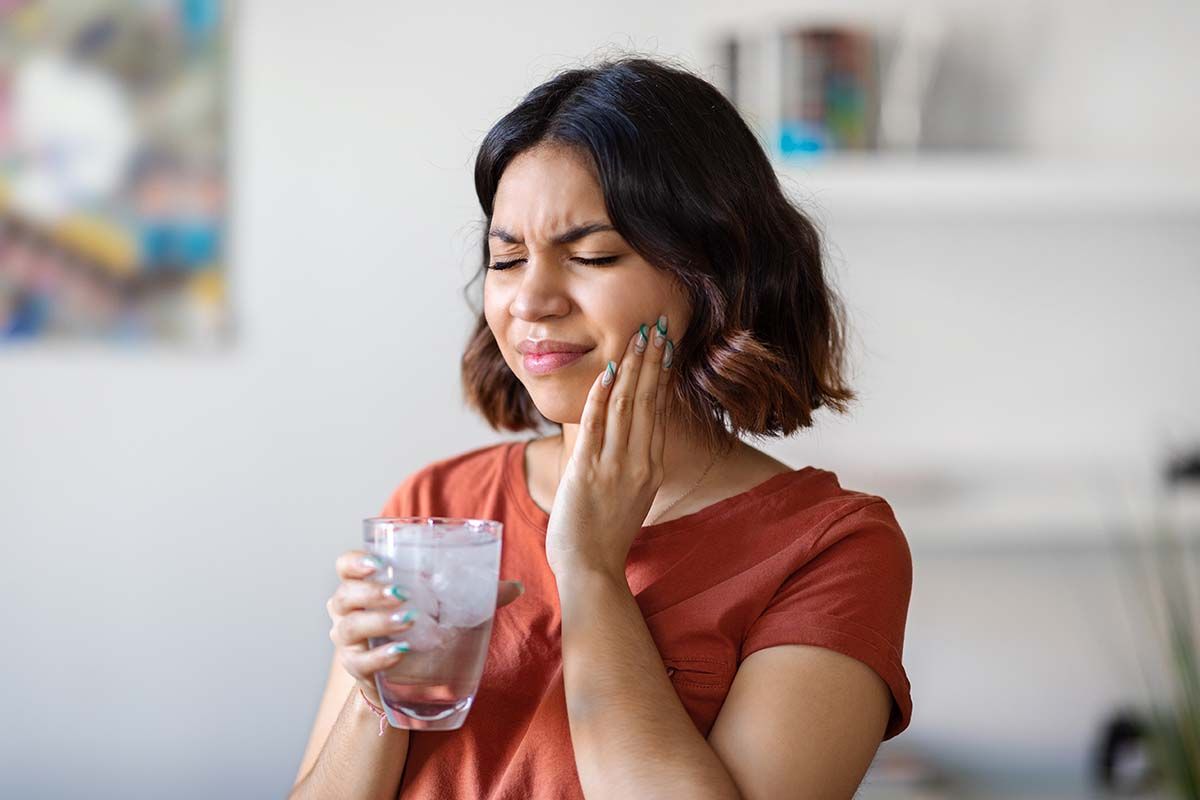
Most dental problems do not go away on their own. While symptoms such as tooth pain, sensitivity, or gum irritation may temporarily improve, the underlying issue often remains. Conditions like cavities, gum disease, cracked teeth, and infections typically require professional evaluation to prevent them from becoming more serious.
Many people experience a dental problem and hope it will simply disappear with time. A tooth may stop hurting after a few days. Bleeding gums may seem to improve. Sensitivity might come and go. When symptoms fade, it's easy to assume the problem has resolved itself.
Unfortunately, that's not always the case. Dental problems do not heal themselves the way a minor cut or bruise might. Unlike skin and soft tissue, teeth cannot regenerate lost structure once damage has occurred. That's the core reason why waiting — even when symptoms seem to fade — can allow a manageable problem to become a more serious one.
For adults throughout Babylon, NY and Suffolk County, understanding the difference between temporary symptom relief and true healing can help prevent more serious dental issues down the road.
Why Dental Symptoms Sometimes Seem to Improve
One reason dental problems can be confusing is that symptoms don't always stay constant. Tooth pain may decrease as the nerve inside the tooth becomes damaged. Gum inflammation may fluctuate depending on oral hygiene habits. Sensitivity may lessen when you avoid certain foods or drinks.
In these situations, the symptoms may improve — but the underlying condition often remains. This is why it's important not to use pain alone as an indicator of whether a dental problem has resolved.
Can Cavities Go Away on Their Own?
Once a cavity has formed and created a hole in the tooth, it will not heal itself. In the very earliest stages of enamel demineralization, some areas can be strengthened through fluoride exposure and good oral hygiene. According to the American Dental Association, fluoride helps remineralize weakened enamel before a cavity fully forms — but once decay progresses into a true cavity, professional treatment is usually needed.
Without treatment, cavities often continue to grow larger over time.
Common Signs of a Cavity
- Tooth sensitivity
- Pain when eating sweets
- Discomfort when chewing
- Visible dark spots on teeth
Can a Toothache Go Away Without Treatment?
Sometimes. A toothache may temporarily disappear, but that doesn't necessarily mean the problem has been solved. Common causes of tooth pain include cavities, cracked teeth, infection, and gum disease.
In some cases, pain may stop because the nerve inside the tooth has become damaged. While the discomfort decreases, the condition itself may continue to worsen. This is one reason dentists recommend evaluating persistent or recurring tooth pain rather than waiting for symptoms to return.
Can Gum Disease Heal Itself?
Early gum irritation may improve with better brushing and flossing habits. However, established gum disease generally does not go away on its own. Without treatment, gum disease can progress and affect the tissues and bone supporting the teeth.
Early Warning Signs of Gum Disease
- Bleeding gums
- Swollen gums
- Persistent bad breath
- Gum tenderness
- Receding gums
Can Bad Breath Go Away on Its Own?
Occasional bad breath often improves with hydration, brushing, and good oral hygiene. Persistent bad breath is different. Ongoing bad breath may be linked to gum disease, plaque buildup, dry mouth, cavities, or oral infections. If bad breath continues despite good oral hygiene, it may be a sign that an underlying issue should be evaluated.
What Happens If You Wait Too Long?
Many dental problems become more complicated the longer they go untreated. Waiting can increase the risk of larger cavities, gum disease progression, infection, tooth loss, and more extensive treatment needs. Addressing concerns early often leads to simpler and more conservative treatment options.
When Should You Schedule a Dental Visit?
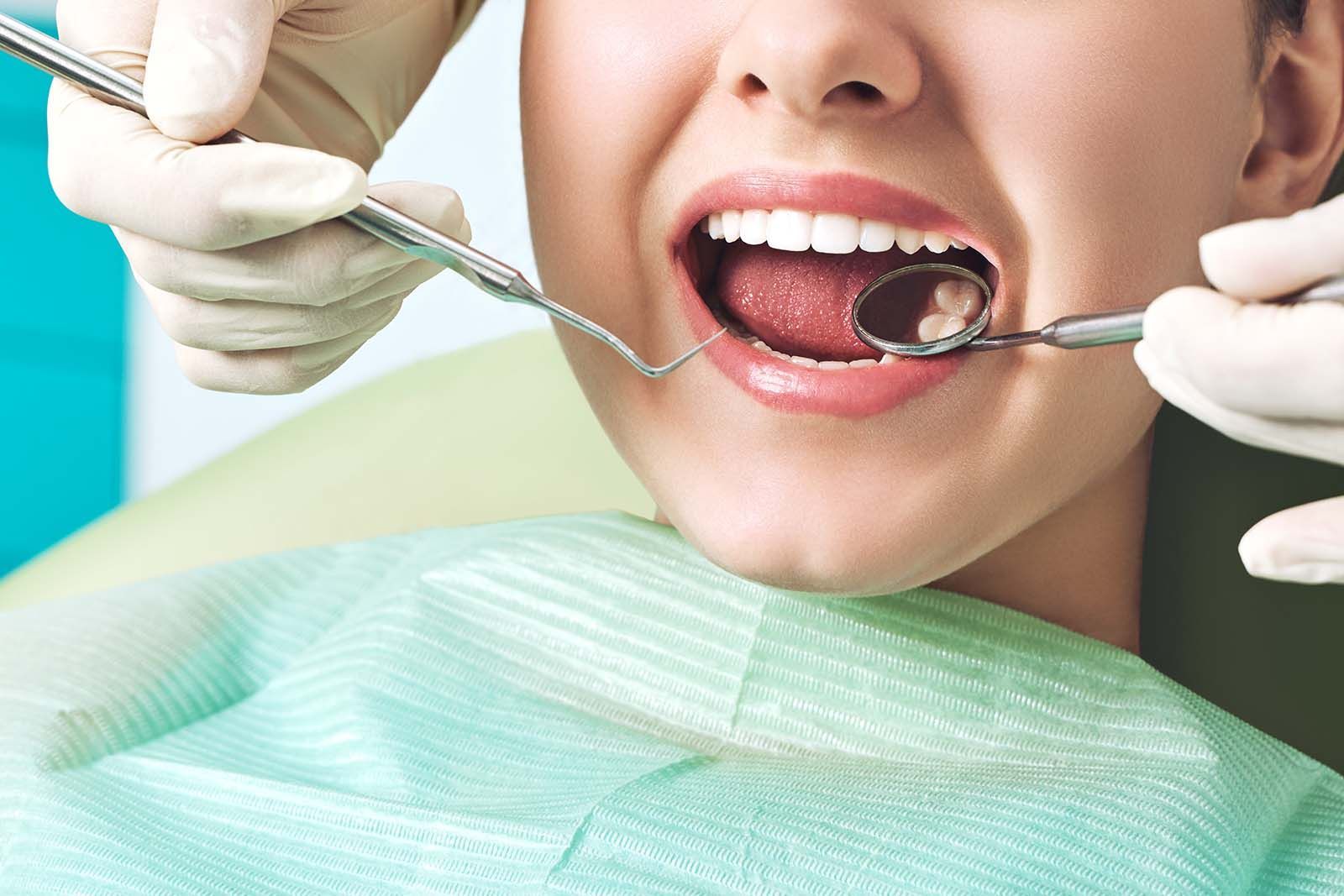
It's a good idea to schedule a dental visit if you experience persistent tooth pain, sensitivity that doesn't improve, bleeding gums, bad breath that won't go away, swelling in the mouth or gums, or any symptom that keeps returning. Even if the issue turns out to be minor, having a professional evaluation provides peace of mind and clarity.
Frequently Asked Questions
Can a cavity heal naturally?
Very early enamel damage may improve with fluoride and good oral hygiene, but an actual cavity will not heal itself.
Why did my tooth stop hurting?
The pain may have temporarily subsided, but the underlying issue may still be present. It's important to have recurring or previous tooth pain evaluated.
Can gum disease reverse itself?
Early gingivitis may improve with proper oral care, but more advanced gum disease typically requires professional treatment.
Do dental problems heal themselves?
Unlike minor cuts or bruises, dental problems do not typically heal themselves. Teeth and gum tissue lack the ability to regenerate structure once it has been lost or damaged, which is why professional evaluation is recommended rather than waiting for symptoms to resolve on their own.
Is it okay to wait if symptoms go away?
Not always. Some dental conditions continue to progress even when symptoms temporarily improve.
Don't Rely on Symptoms Alone
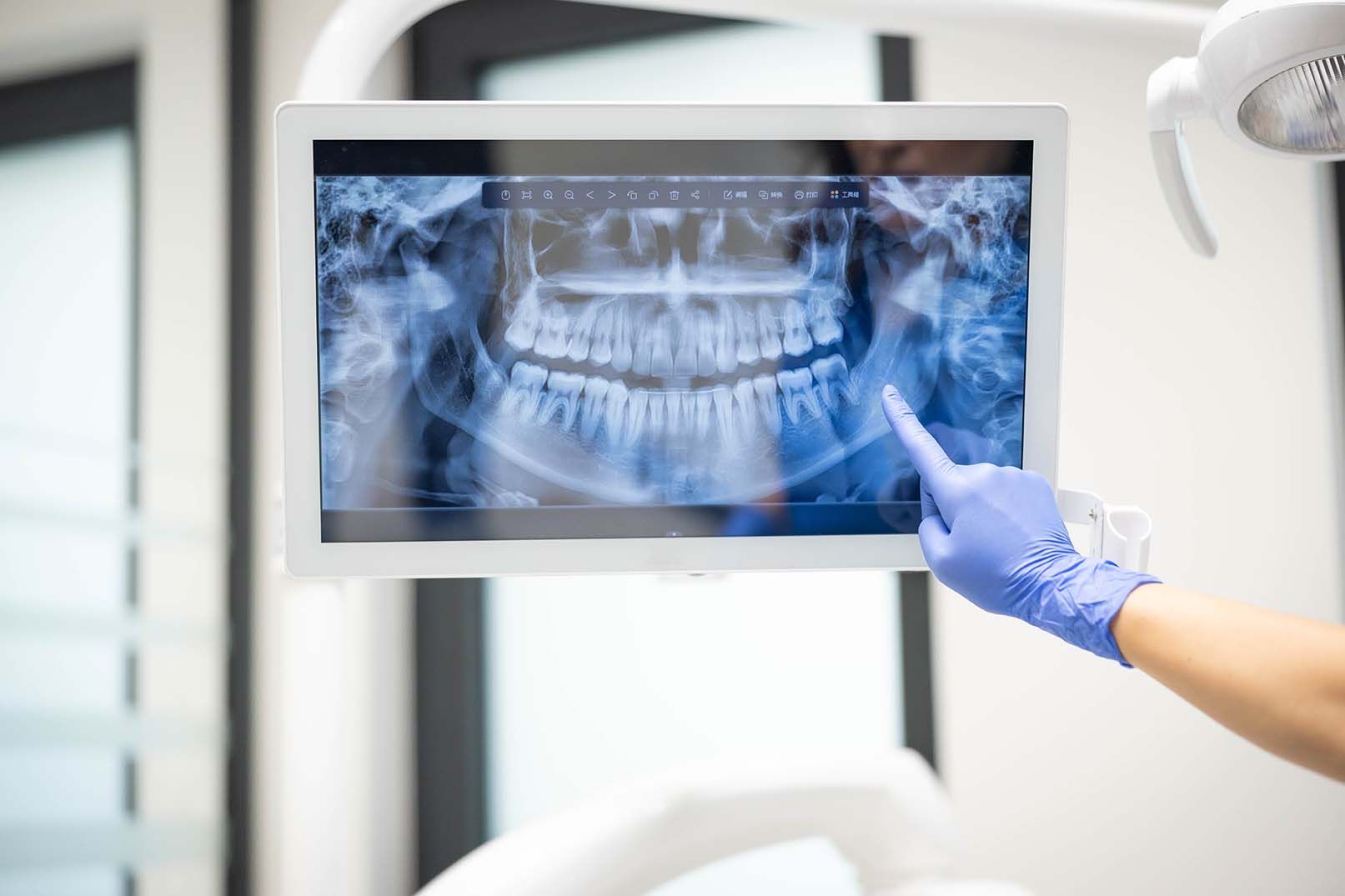
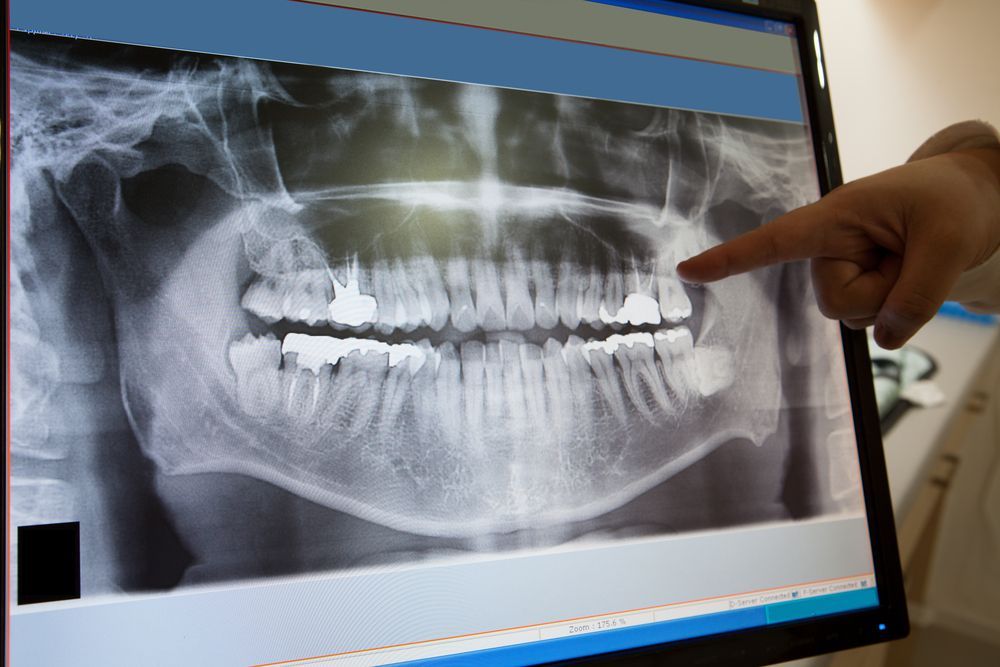
Just because a dental problem feels better doesn't necessarily mean it's gone. Many dental conditions progress slowly and may not cause continuous pain or discomfort. If you're unsure whether a symptom has truly resolved, a dental exam can help determine what's happening and whether treatment is needed.
For patients in Babylon, NY — and neighboring communities including West Islip, Lindenhurst, and across Suffolk County — early evaluation is often the best way to protect long-term oral health and avoid more complex problems later.
Dr. Colleen L. Catera, DMD has been serving patients as one of Long Island's trusted family dentists since 2011. If you're experiencing tooth pain, sensitivity, or any recurring dental symptoms, our office is here to help.
📍 1 John St Suite 206, Babylon, NY 11702 | 📞 (631) 422-6901
Request an Appointment — New patients welcome.