
What Happens During a Dental Cleaning?
Dr. Colleen L. Catera, DMD
A Step-by-Step Look at What to Expect During Your Visit
Quick Answer: A dental cleaning removes plaque and tartar, polishes your teeth, and checks your overall oral health. A typical visit includes an examination, scaling to remove buildup, polishing, flossing, and preventive recommendations. Professional cleanings remove hardened deposits that brushing and flossing at home cannot.
At a glance:
- Examination of your teeth and gums
- Scaling to remove plaque and tartar
- Polishing
- Flossing and rinsing
- Additional preventive care, if needed

For many people, a dental cleaning is one of the most routine parts of maintaining a healthy smile. Yet it is also one of the most common questions patients ask: what actually happens during a dental cleaning?
If you have never had a professional cleaning, have not been to the dentist in a while, or simply want to know what to expect, understanding the process can make your visit feel much more comfortable. For most patients, a routine cleaning is straightforward, gentle, and focused on prevention.
Why Dental Cleanings Are Important
Even with excellent brushing and flossing habits, plaque can build up in areas that are difficult to reach. Over time, plaque hardens into tartar, which cannot be removed at home and requires professional instruments to remove safely.
Professional cleanings help reduce the risk of cavities, gum disease, and other oral health issues. For adults in Babylon, NY, routine cleanings are one of the simplest ways to protect long-term oral health, and they work hand in hand with regular dental checkups.
Step 1: A Quick Examination
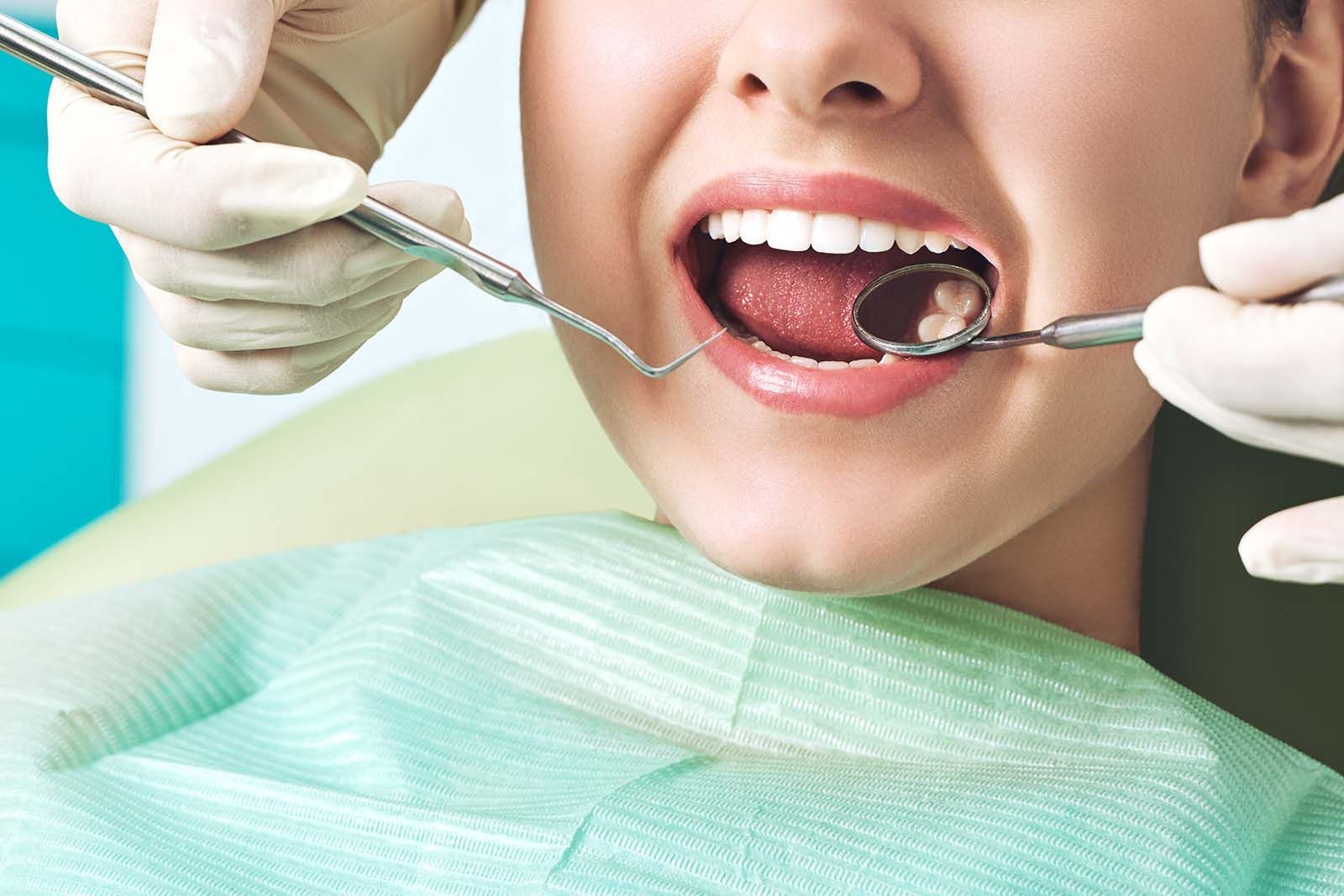
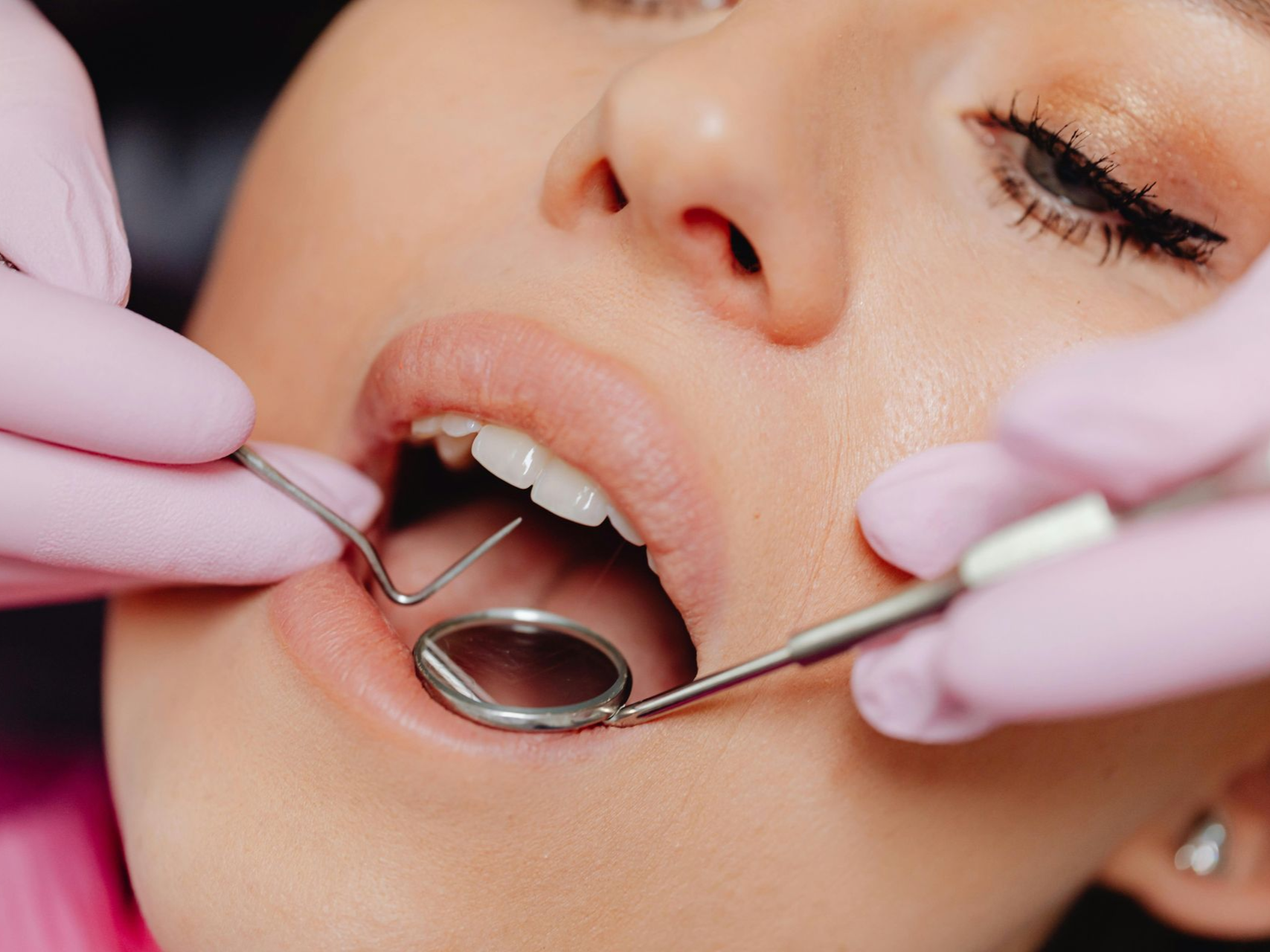
Most dental cleanings begin with a visual examination of your teeth and gums. A dental hygienist or dentist will check for:
- plaque and tartar buildup
- signs of gum inflammation
- areas of sensitivity
- changes in your oral health
- concerns that may need further evaluation
This initial assessment determines whether a routine cleaning is appropriate and allows your dental team to identify issues early.
Step 2: Removing Plaque and Tartar (Scaling)
This is the part of the appointment most people picture when they think of a cleaning. Using specialized instruments, the hygienist performs scaling to remove plaque and tartar from around the teeth and along the gumline. On insurance paperwork, a routine cleaning of this kind is often listed as a prophylaxis.
You may hear scraping sounds during this process, but for most patients it is not painful. The time required depends on how much buildup is present. This step matters because tartar cannot be removed by brushing or flossing alone.

Step 3: Polishing the Teeth
After buildup has been removed, the teeth are polished with a rotating brush and a special polishing paste. This helps:
- remove minor surface stains
- smooth the tooth surface
- leave teeth feeling clean and fresh
Polishing does not whiten teeth, but it can improve their appearance by removing some surface discoloration.
Step 4: Flossing and Rinsing
The hygienist will floss between the teeth to remove any remaining debris and confirm the spaces between teeth are clean. You may also be asked to rinse to help clear loosened particles.
Step 5: Additional Preventive Care (When Needed)
Depending on your oral health needs, your visit may also include:
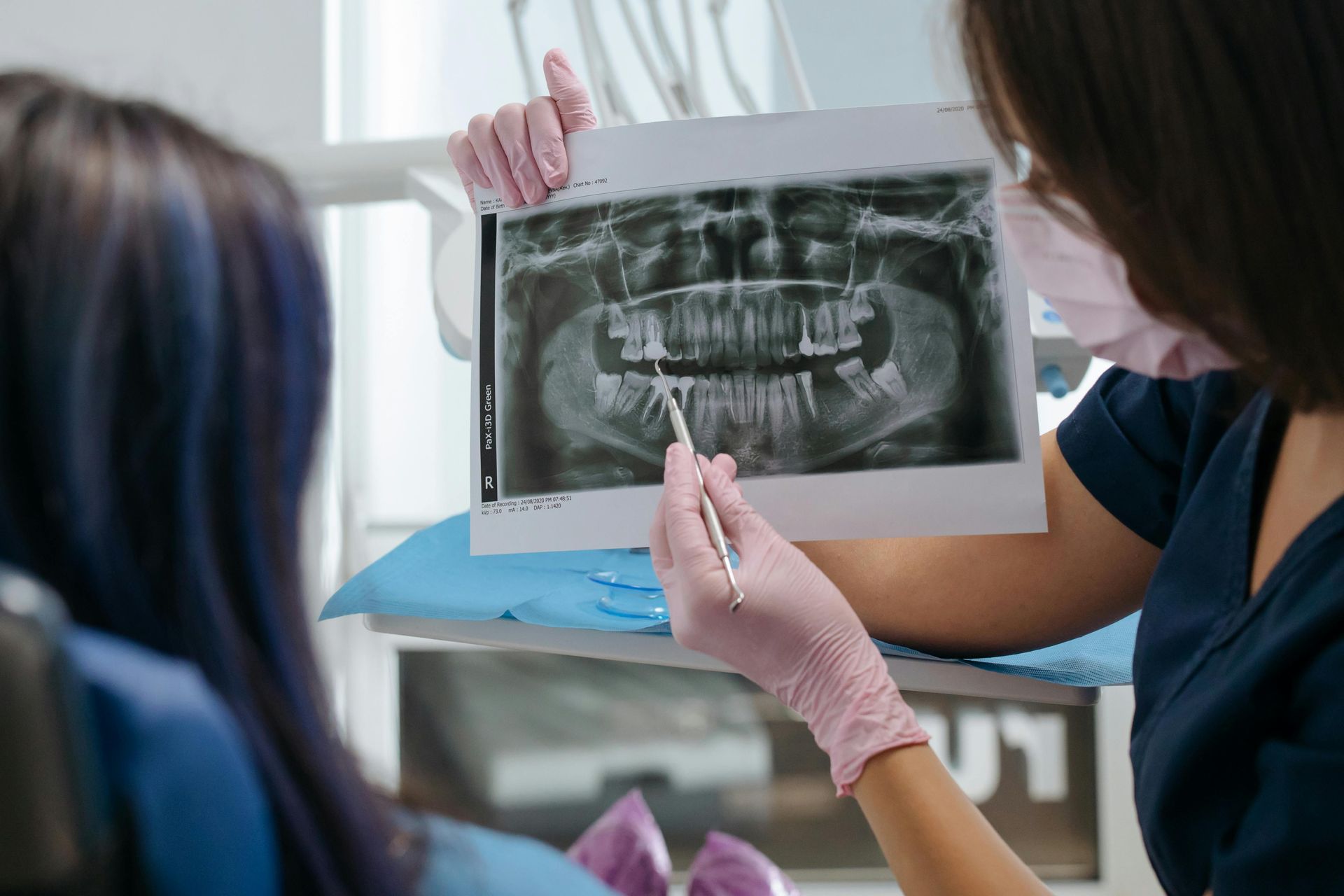
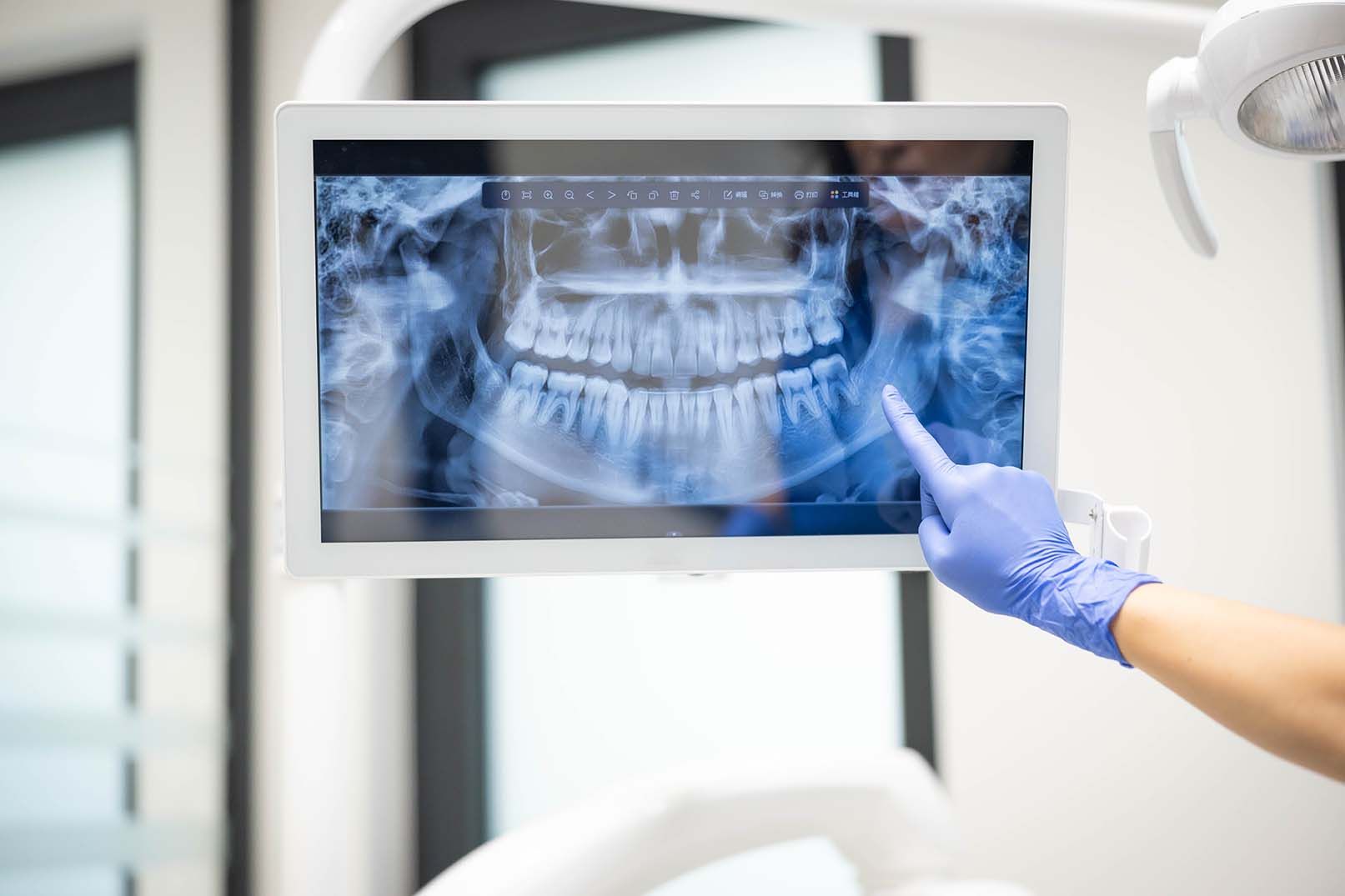
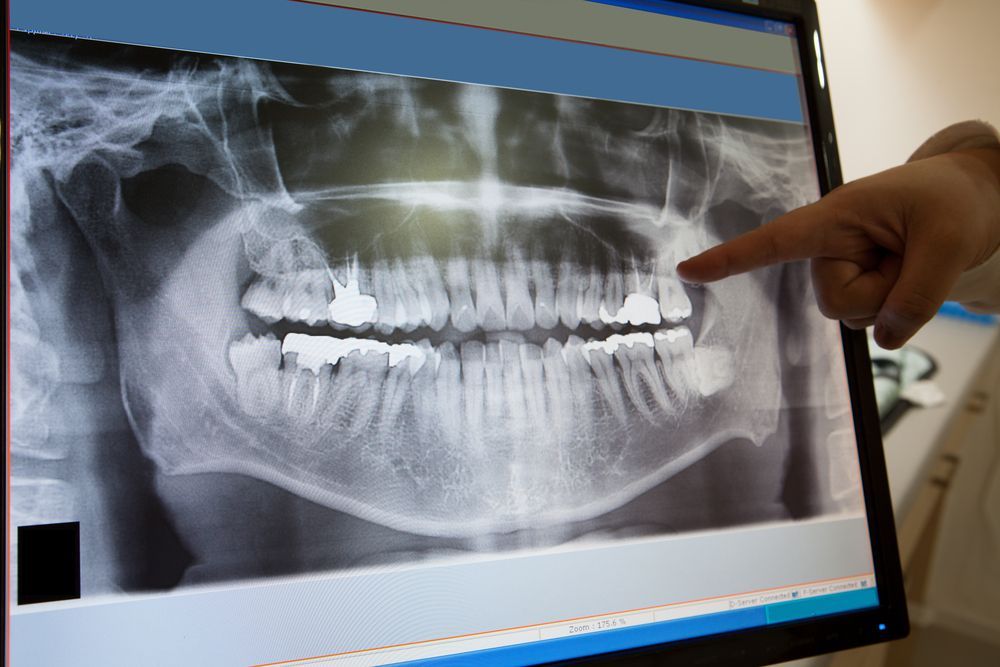
- Digital dental X-rays
- Fluoride treatment
- Additional periodontal evaluation
Not every patient needs these services at every visit, but they may be recommended when appropriate.

Does a Dental Cleaning Hurt?
For most people, a routine dental cleaning is not painful. You may experience mild sensitivity if:
- your gums are inflamed
- significant tartar is present
- it has been a long time since your last cleaning
Any tenderness usually resolves quickly after the appointment. If dental anxiety is a concern, letting your dental team know beforehand can help make the experience more comfortable.
How Long Does a Dental Cleaning Take?
Most routine cleanings take 30 to 60 minutes, depending on how much plaque and tartar is present and whether additional evaluations are needed.
How Often Should Adults Have a Dental Cleaning?
For many adults, professional cleanings every six months are typical, though the right interval depends on your gum health, cavity history, and other risk factors. Our guide to how often adults should see a dentist covers how to find the schedule that fits your needs.
Frequently Asked Questions
Do dental cleanings whiten teeth?
Not exactly. Cleanings remove plaque, tartar, and some surface stains, which may make teeth appear brighter, but they do not change the natural color of the teeth.
Are dental cleanings covered by insurance?
Most dental plans include coverage for preventive cleanings, commonly two per year. Coverage varies between plans, so it is worth confirming the specifics with your provider before your visit.
What if I have not had a cleaning in years?
You are not alone. Many adults delay dental visits for all kinds of reasons. An exam and cleaning can determine the best next steps without judgment, and we cover this in more detail in what happens if you have not seen a dentist in years.
Can a cleaning remove tartar?
Yes. Professional cleanings are the primary way tartar is safely removed from teeth.
Is a dental cleaning different from a deep cleaning?
Yes. Routine cleanings focus on maintaining healthy teeth and gums. Deep cleanings are typically performed when gum disease is present and involve cleaning below the gumline, which falls under periodontal dentistry.
Schedule a Dental Cleaning in Babylon, NY
Dental cleanings are one of the simplest and most effective ways to prevent future dental problems. They remove buildup, allow your dental team to monitor your oral health, and help catch concerns before they become more serious.
For patients in Babylon, NY and throughout Suffolk County, Dr. Colleen L. Catera, DMD provides gentle, preventive care focused on keeping your natural teeth healthy for years to come. If it has been a while since your last visit, you may also find it helpful to read what happens at your first dentist visit.
Call (631) 422-6901 or request an appointment to schedule your dental cleaning.